
Luna Clinic Turkey ✔ Verified
Şişli, Turkey · 888 clinic reviews
9.4FlymediScore
Lead: Op. Dr. Arda Akgün, Plastic surgery

TURSABMOHESCADTTB
Speaks EN · FR +6
A tummy tuck in Turkey starts at €3,150, against £5,000 to £10,000 for the same operation privately in the UK.[1] The surgery itself is the same abdominoplasty: general anaesthesia, repair of the abdominal muscles where they have separated, removal of the excess skin, and a recovery measured in weeks rather than days. Travelling for it changes the planning rather than the operation, and two parts of that planning carry real clinical weight: how many procedures are combined in one session, and how long you stay before flying home.
Figures are ranges, not promises. Suitability needs an individual assessment by a doctor.
Each clinic sets its own price, so check what the price includes before comparing two of them.


Şişli, Turkey · 888 clinic reviews
Speaks EN · FR +6
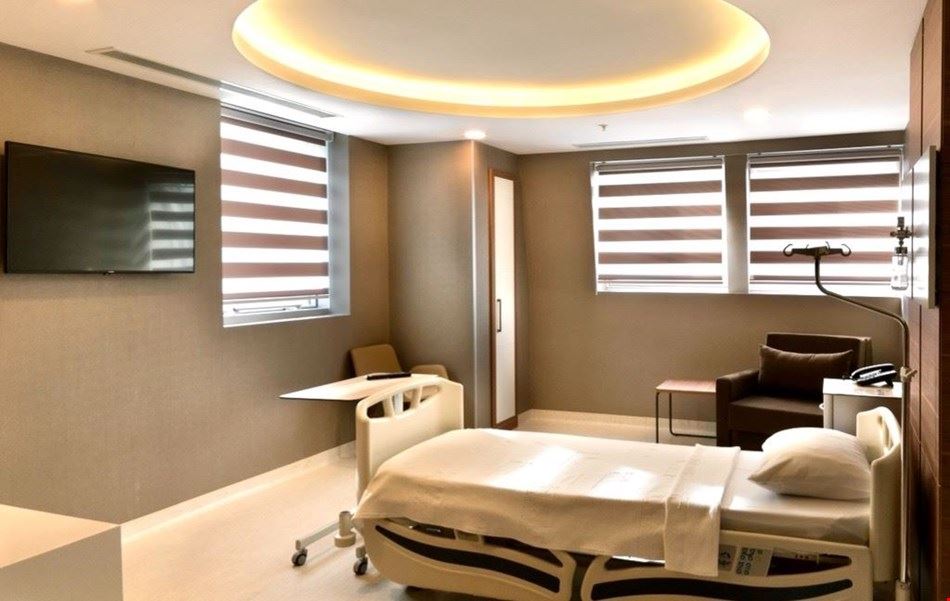
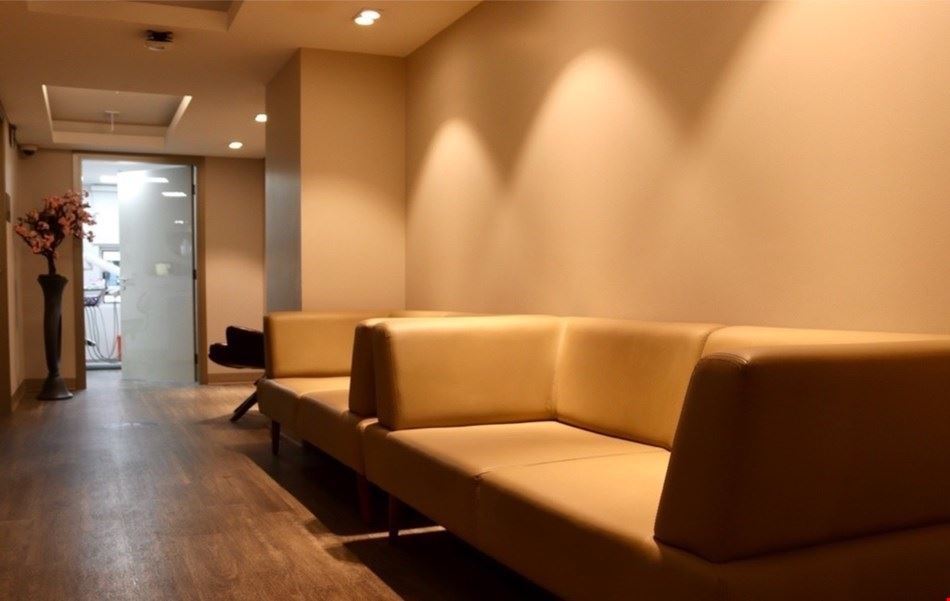
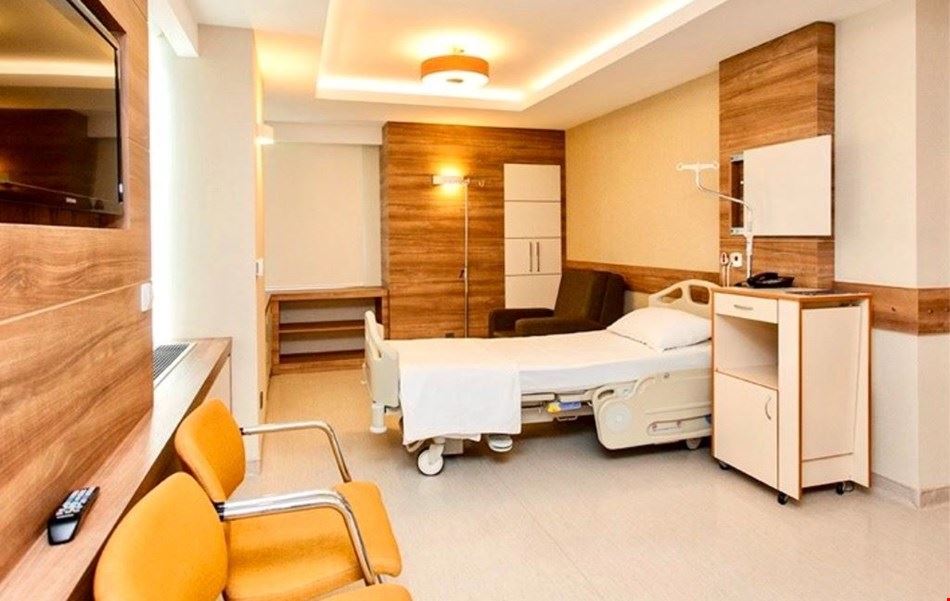
Şişli, Turkey · 435 clinic reviews
Speaks EN · FR +6
Send your details and a coordinator will tell you which clinics are appropriate for your case, and which are not.

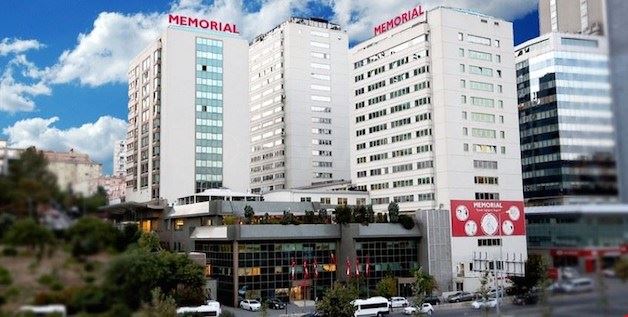
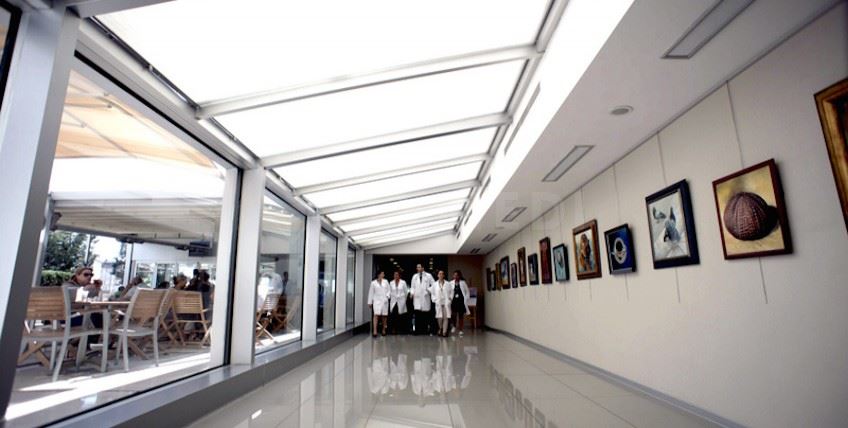
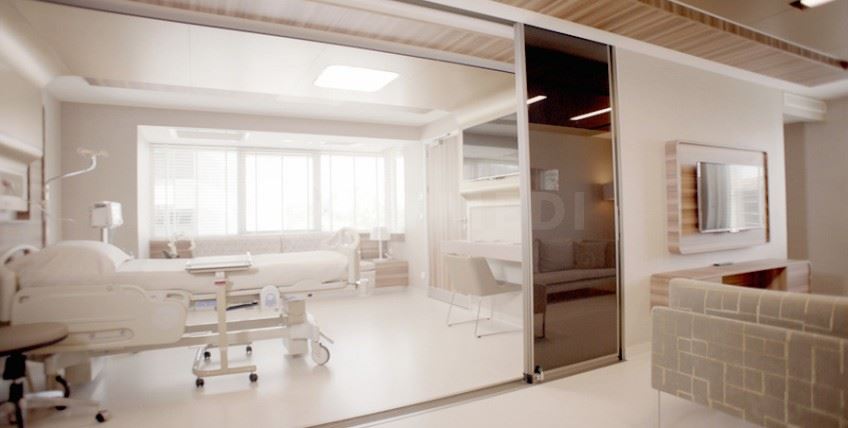
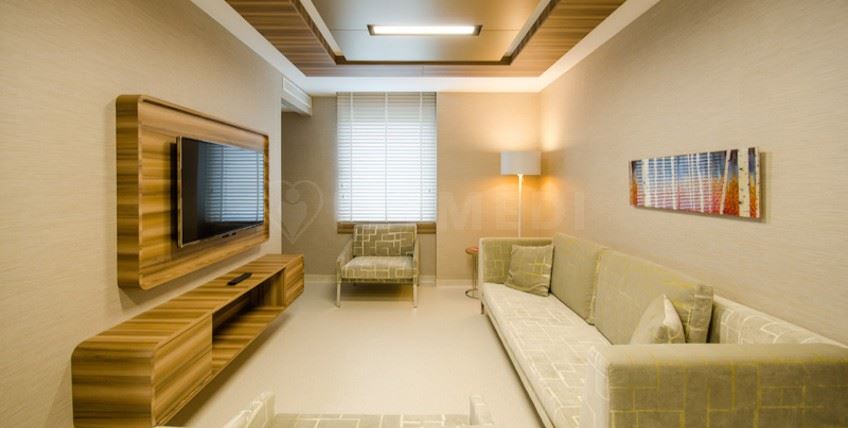
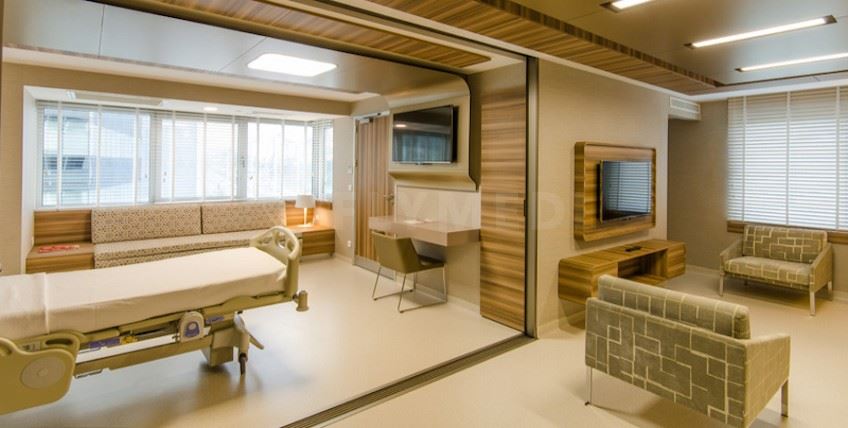
Şişli, Turkey · 48 clinic reviews
Speaks EN · SQ +14

Bağcılar, Turkey · 18 clinic reviews
Speaks AZ · BG +11




Ataşehir, Turkey · 60 clinic reviews
Speaks AZ · EN +6




Istanbul, Turkey · 15 clinic reviews




Gaziosmanpaşa, Turkey · 39 clinic reviews
Speaks EN · UZ +7

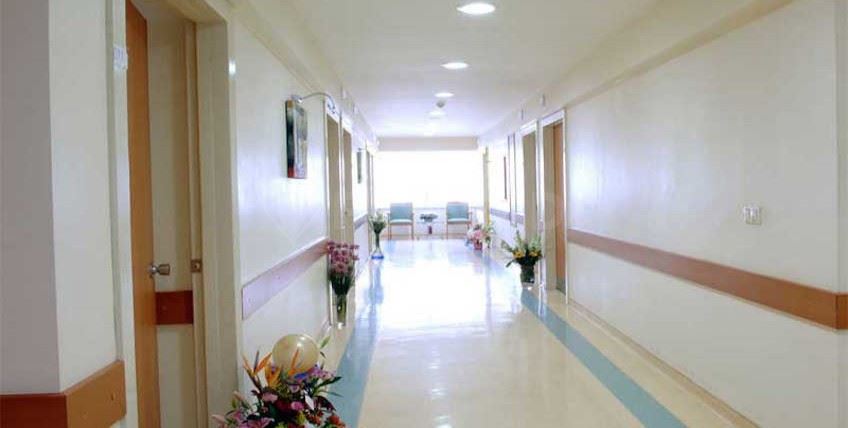
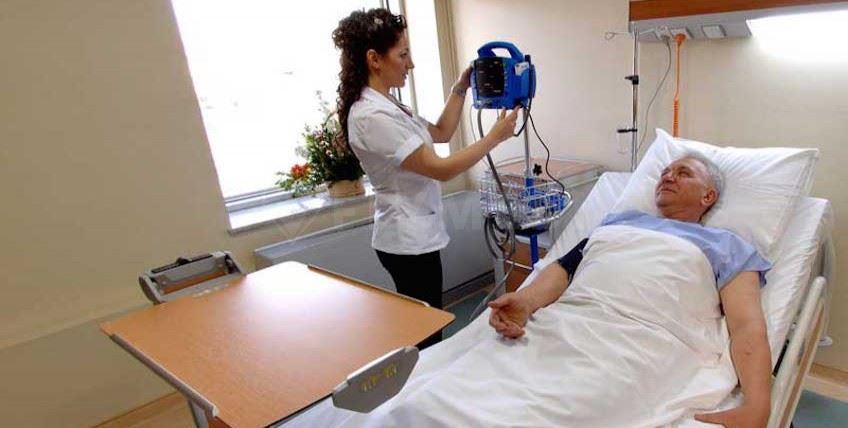
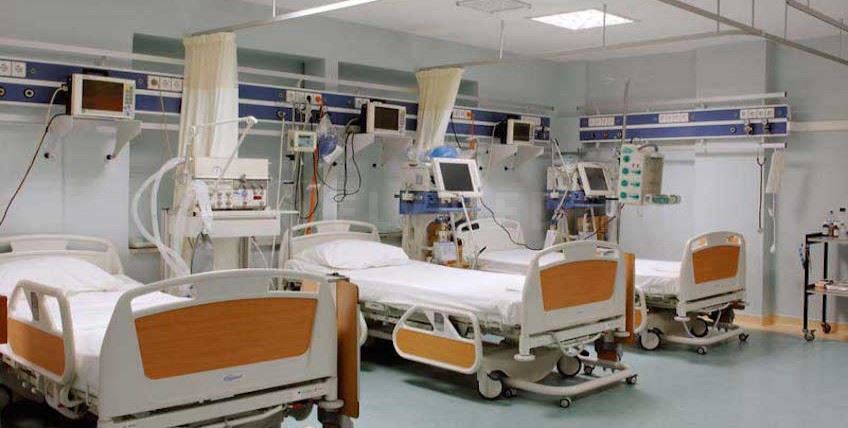
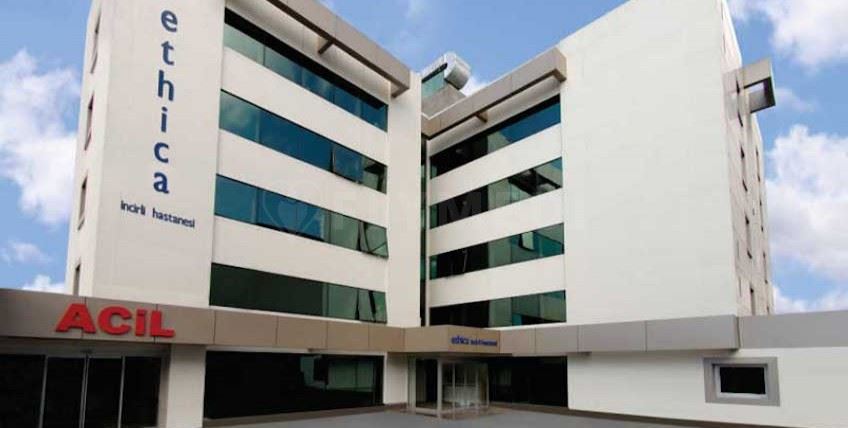
Bakırköy, Turkey · 30 clinic reviews
Speaks EN · FR +3

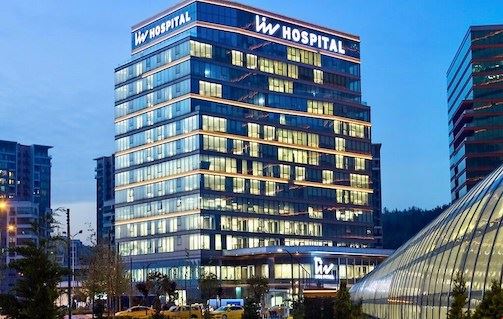
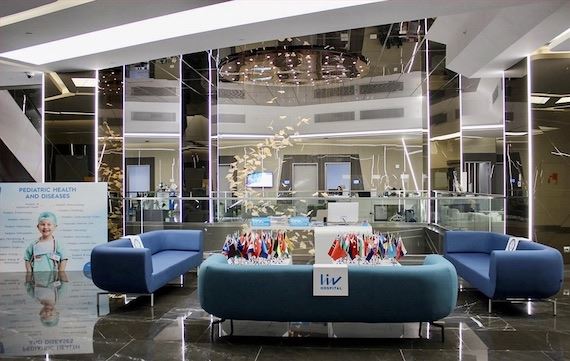


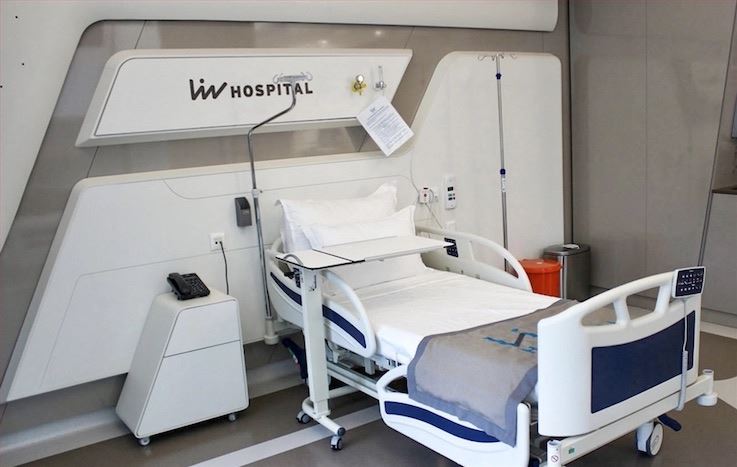
Sarıyer, Turkey · 21 clinic reviews
Speaks SQ · AR +18


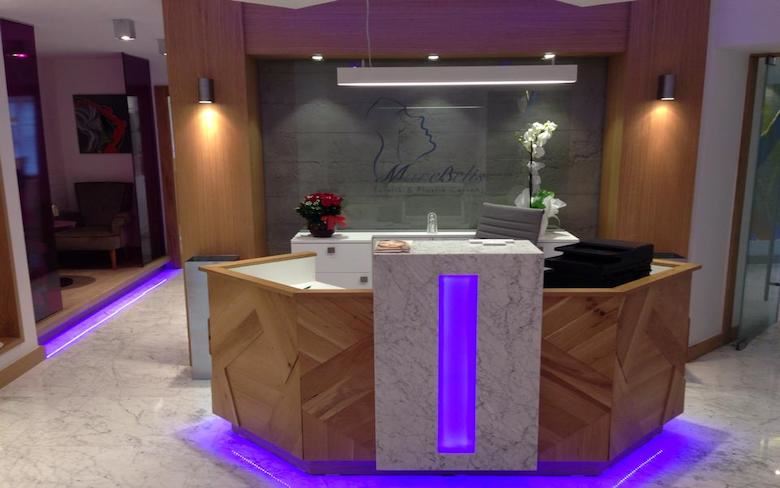
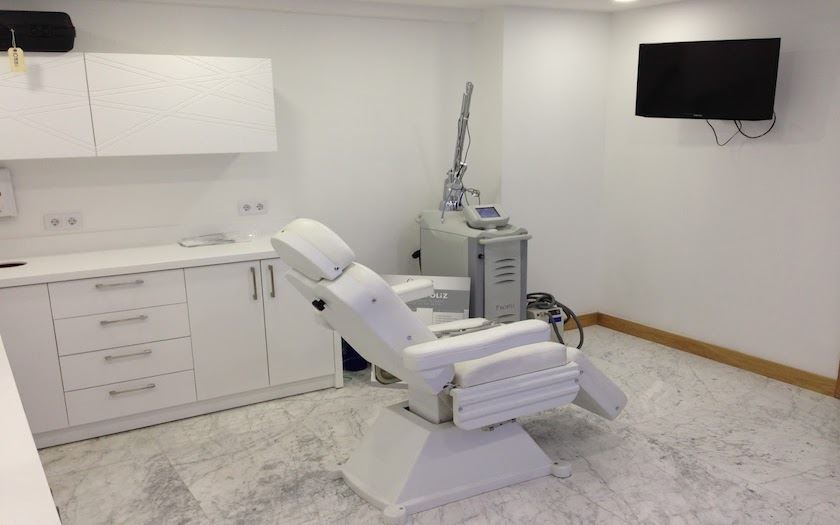
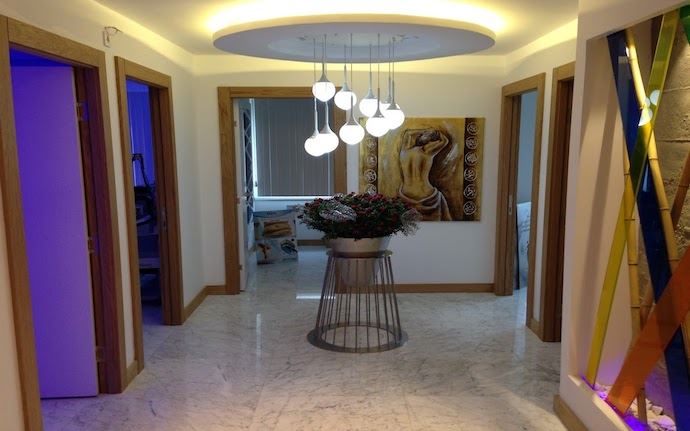
Şişli, Turkey · 7 clinic reviews
Speaks EN · TR
Clinics are scored and ordered by Flymedi. How ranking works.
Patients treated through Flymedi, in their own words. Nothing loads or plays until you press play.
David White
Tummy tuck
Spoken in EnglishSource: YouTube
Jacqueline Hamblin
Tummy tuck
Spoken in EnglishSource: YouTube
Alyce Jordan
Tummy tuck
Spoken in EnglishSource: YouTube
Susan
Tummy tuck
Spoken in EnglishSource: YouTube
Lance
Tummy tuck
Spoken in EnglishSource: YouTube
Medina
Tummy tuck
Spoken in EnglishSource: YouTube
Alex
Septoplasty
Spoken in EnglishSource: YouTube
Youssef
Rhinoplasty
Spoken in EnglishSource: YouTube
Damon
Gynecomastia
Spoken in EnglishSource: YouTube
Arturo
Liposuction
Spoken in EnglishSource: YouTube
Clinics are scored from patient reviews and ordered by Flymedi. The facts behind each position are listed below. How ranking works.
| Rank | Clinic | FlymediScore | Lead doctor | Experience | From | Why it is ranked here |
|---|---|---|---|---|---|---|
| 1 | Luna Clinic Turkey | 9.4 | Arda Akgün | 11 years | €2,250Treatment only | Most reviewed on this page (888 reviews). Lowest listed price on this page. Declares TURSAB, MOH, ESCAD, TTB. 32 doctors listed. |
| 2 | Istanbul European Clinic | 9.3 | Plastic surgery | 13 years | €2,400Treatment only | Declares TURSAB, MOH, ASAPS, ESCAD, ESHRS, ISAPS, TTB. 23 doctors listed. |
| 3 | Memorial Sisli Hospital | 9.1 | Plastic surgery | 40 years | €2,750Treatment only | Declares JCI, EFI, ISO 9001:2000, TTB. 4 doctors listed. |
| 4 | Medipol Mega University Hospital | 9.4 | Plastic surgery | 7 years | Price on request | Declares JCI. 4 doctors listed. |
| 5 | Estethica Atasehir | 9.6 | Plastic surgery | 35 years | €2,600Treatment only | Declares TTB. 4 doctors listed. |
| 6 | Acibadem Healthcare Group | 9.5 | Plastic surgery | 19 years | Price on request | 4 doctors listed. |
| 7 | Medical Park Gaziosmanpasa Hospital | 9.7 | Plastic surgery | 25 years | €3,850Treatment only | Declares JCI, CEN, EMBT, ISCT, CIBMTR. 4 doctors listed. |
| 8 | Ethica Incirli Hospital | 9.1 | 4 doctors | Not listed | Price on request | Declares TTB. 4 doctors listed. |
| 9 | Liv Hospital | 9.4 | 6 doctors | Not listed | Price on request | Declares ASAPS, ISO 14001, ISO 9001:2015, JCI, TÜV SÜD. 6 doctors listed. |
| 10 | Prof. Murat Turegun Aesthetic Surgery & Medical Aesthetic | 9.7 | Plastic surgery | 40 years | Price on request | Declares ISO 9001:2000. |
A tummy tuck, or abdominoplasty, removes excess skin and fat from the abdominal wall and, in most cases, repairs the abdominal muscles that have separated. It is a real operation under general anaesthesia, not a treatment, and the recovery is measured in weeks rather than days.
Turkey is one of the larger destinations for it, and the reason people arrive here from the United Kingdom, the United States, Canada and Australia is usually price. That is a legitimate reason. What follows is written so that the price you are comparing is the whole price, and so that you know which parts of the decision are clinical rather than commercial.
Three things on this page are worth more of your attention than the cost table. The first is that combining a tummy tuck with liposuction and another body contouring procedure, which is what a "360" package usually means, has a measurably higher complication rate than a tummy tuck on its own. The second is that flying too soon after abdominal surgery raises the risk of a blood clot. The third is that abdominoplasty is not offered to people at a high body mass index, which means a clinic that says yes without discussing your BMI has skipped a step.
A tummy tuck in Turkey is quoted between €3,150 and €4,050. Clinics quote in euros, so that is the figure to hold your quotes against, and it is the figure a coordinator will put in writing.
You will occasionally see a single listing well below that range. Treat it the way you would treat any outlier: check how many patients have reviewed that clinic, and check what the quote excludes, before you let it set your budget. What actually moves your own price is the extent of the surgery, whether muscle repair is included, and whether anything is being done at the same time.
Both figures are published prices from named sources. We are not going to convert the gap into a headline percentage, because the two numbers do not cover the same thing: the UK figure is a surgeon and a hospital you can return to, and the Turkish figure is a package with a return flight in the middle of it. Compare what each one includes, using the two lists below.
The item that catches people out is the first one. If your surgeon tells you on day six that you should not fly yet, the extra nights are yours to pay for. Ask before you book how many hotel nights are covered and what happens if you need more.
Flymedi offers instalment plans of up to 36 months on treatments booked through the platform. Flymedi states that the interest rate on those plans falls between 7.5 and 15 per cent depending on credit history and employment status. Those are Flymedi's own product terms rather than a market average, and the exact rate you are offered is set at application. The current terms are on the payment plans page.
Two points that matter more than the headline rate:
If a clinic asks for a deposit before you have a named surgeon and a written list of what the price includes, that is a reason to slow down rather than to pay.
A full abdominoplasty removes the loose skin and fat between the navel and the pubic area, tightens the abdominal muscles where they have separated, and repositions the navel. The incision runs low across the abdomen, roughly along the line a caesarean scar would take, though longer. The navel is brought out through a new opening in the tightened skin, which is why a full tummy tuck leaves a small scar around it as well.
The two things it treats are skin that has lost its elasticity and muscle separation, which doctors call diastasis recti. Both are common after pregnancy and after substantial weight loss, and neither responds to exercise, because neither is a fat problem. That is the honest reason the operation exists.
What it does not do is reduce your weight in any meaningful way, treat visceral fat, which is the fat around the organs, or prevent weight gain afterwards. The NHS puts it plainly: an abdominoplasty "is not a quick fix for losing weight" and "is not a procedure for someone who is overweight".[1]
A mini tummy tuck treats the area below the navel only. The incision is shorter, the navel is not moved, and the muscle repair, if it is done at all, is limited to the lower abdomen. Recovery is quicker for the same reason: less tissue is lifted.
It suits a specific person. If your loose skin sits below the navel, your skin above the navel is still firm, and any muscle separation is confined to the lower abdomen, a mini is the right operation and a full abdominoplasty would be more surgery than you need. If you have loose skin above the navel as well, a mini will not reach it, and the usual outcome is disappointment rather than a complication.
Flymedi has a dedicated page for this operation with its own prices and clinics: mini tummy tuck in Turkey. If you already know a mini is what you want, start there rather than here.
| Mini tummy tuck | Full tummy tuck | |
|---|---|---|
| Area treated | Below the navel only | Navel to pubic area, whole abdominal wall |
| Navel | Left in place | Repositioned, leaves a scar around it |
| Muscle repair | Lower abdomen only, if done | Full length repair where there is separation |
| Scar | Shorter, low across the abdomen | Longer, hip to hip in some cases |
| Surgery time | Around 1 to 2 hours | Around 2 to 4 hours |
| Back to desk work | Often around 1 to 2 weeks | Often around 2 to 4 weeks |
| Suits | Loose skin confined below the navel | Loose skin above and below, or muscle separation along the whole abdomen |
Scroll sideways for the full table
Recovery times are typical rather than promised, and they vary with the extent of the surgery, your general health and whether anything else is done at the same time. Your surgeon's estimate for your own case is the one that counts.
The name matters less than the plan. Ask your surgeon to mark on your abdomen where the incision will sit, in the position you will be standing in afterwards, and to say which of these they are proposing and why.
A "360 tummy tuck" is not a separate operation. It is a tummy tuck combined with circumferential liposuction around the waist and back, and often with something else on top. Packages sold under that name are attractive because they treat everything in one trip, and because they look efficient compared with two journeys.
The trade-off is measurable. In an analysis of 25,478 abdominoplasties from the CosmetAssure database, the overall complication rate was 4.0 per cent, against 1.4 per cent for other aesthetic procedures. Broken down by what was done at the same time:[3]
| What was performed | Complication rate |
|---|---|
| Abdominoplasty alone | 3.1% |
| With liposuction | 3.8% |
| With a breast procedure | 4.3% |
| With liposuction and a breast procedure | 4.6% |
| With another body contouring procedure | 6.8% |
| With liposuction and another body contouring procedure | 10.4% |
Scroll sideways for the full table
The same analysis identified the factors that independently raised risk: being male, being 55 or older, a body mass index of 30 or above, having multiple procedures, and being treated in a hospital or surgical centre rather than an office setting.[3] Of the major complications recorded, hematoma accounted for the largest share, then infection, then suspected or confirmed venous thromboembolism.
None of that makes a combined operation wrong. It makes it a decision that deserves a conversation rather than a discount. If a package adds procedures you did not ask about, ask the surgeon directly what the combination does to your own risk, and ask them to write the answer down. A clinic that will not put that in writing has told you something useful.
They solve different problems, and choosing the wrong one is the most common reason people are unhappy with an otherwise well performed operation.
| Liposuction | Tummy tuck | |
|---|---|---|
| Removes | Fat under the skin | Skin and fat, and repairs muscle |
| Does not fix | Loose skin or muscle separation | Fat around the organs |
| Scar | Small entry points | Long incision across the abdomen |
| Needs good skin elasticity | Yes, the skin has to shrink back | No, loose skin is removed |
| Typical recovery | Days to a couple of weeks | Several weeks |
Scroll sideways for the full table
A simple test in the mirror. Pinch the skin of your lower abdomen. If what you can hold is mostly soft fat and the skin snaps back when you let go, liposuction may be enough. If the skin stays creased, or you can feel a gap between the muscles when you lift your head off a pillow, liposuction alone will not improve it and may make loose skin look looser.
A panniculectomy removes the overhanging apron of skin and fat, called the pannus, and nothing else. It does not tighten muscle, it does not reposition the navel, and it is not designed to improve the shape of the abdomen. It is a functional operation rather than a cosmetic one, usually performed after major weight loss where the overhang causes recurrent skin infections, rashes, ulceration or difficulty with hygiene and movement.
That distinction is the one that decides whether anyone other than you might pay for it. A cosmetic abdominoplasty is not routinely funded by the NHS.[1] Removal of a pannus for documented functional problems is assessed differently and case by case, and the route runs through your GP and your local NHS commissioning process, not through a clinic abroad.
Two practical consequences. If you think your case may be functional, get it assessed at home first, because an operation you have already paid for abroad cannot be reconsidered for funding afterwards. And if a clinic offers to describe a cosmetic abdominoplasty as a panniculectomy so that you can claim it, decline. That is a misrepresentation to your insurer, and the risk sits with you rather than with the clinic.
This section exists because it is the question the search results answer least well. A clinic that accepts every enquiry is not being generous.
If a clinic quotes you without asking your height, weight, weight history, smoking status and medication, they have not assessed you. They have priced you.
The honest answer is that the operation carries a measurable risk everywhere, and that where you have it changes who looks after you when something goes wrong rather than changing the surgery itself.
On the operation: across 25,478 abdominoplasties in the CosmetAssure database, 4.0 per cent had a major complication, against 1.4 per cent for other aesthetic procedures.[3] Abdominoplasty is at the higher end of aesthetic surgery for complications, and that is true in London as much as in Istanbul. Fluid collection under the skin flap, called seroma, is the most common problem and is usually managed in clinic. Wound healing problems, hematoma, infection and blood clots are the ones that need prompt attention.
On the destination, the NHS makes the relevant point about aftercare rather than about surgical standards: "If you have complications after an operation in the UK, it's the surgeon's responsibility to provide follow-up treatment. Overseas clinics may not provide follow-up treatment, or they may not provide it to the same standard as in the UK."[2] It also notes that travel insurance "does not normally cover if things go wrong in surgery".[2]
What that means in practice, and what to check before you pay a deposit:
This is the part of a Turkish tummy tuck that most pages leave out, and it is the part that is specific to travelling for surgery.
The NHS position is direct: "Air travel and major surgery increase your risk of a blood clot, which can be life threatening." Its guidance on cosmetic surgery abroad names 7 to 10 days as the period to avoid flying after a tummy tuck.[2] Venous thromboembolism was among the major complications recorded in the CosmetAssure abdominoplasty analysis.[3]
Set your itinerary against that number rather than against the package. Several things follow from it:
| When | What is usually happening |
|---|---|
| Days 1 to 2 | In hospital. Walking bent forward, drains usually still in, compression garment on |
| Days 3 to 7 | Hotel or home. Drains often removed. Discomfort is at its worst in the first few days and eases |
| Days 7 to 10 | The window in which the NHS advises against flying[2]. Review with your surgeon before you travel |
| Weeks 2 to 4 | Many people return to desk work. Standing upright becomes comfortable. No lifting |
| Weeks 4 to 6 | Light activity, then gradual return to exercise on your surgeon's advice |
| Months 3 to 6 | Swelling settles and the shape you will keep becomes visible |
| Up to 12 to 18 months | The scar continues to fade and flatten |
Scroll sideways for the full table
Compression garments are usually worn for around six weeks, often day and night at first. Most people need a second one, since the first stops fitting as swelling reduces. Numbness across the lower abdomen is normal for months and sometimes permanent in a band above the scar.
None of these does what an abdominoplasty does. They are listed so that you can tell which problem you actually have.
Setting the marketing aside, there are three real reasons people choose Turkey for this operation, and one reason that is worth being careful about.
The aftercare gap is the practical difference between having this operation at home and having it abroad, and it is entirely manageable if you deal with it before you travel rather than afterwards.
Reviews are the most searched and least reliable part of this decision. A few habits make them more useful:
| Procedure | Abdominoplasty, also called a tummy tuck |
| Anaesthesia | General |
| Surgery time | Around 2 to 4 hours depending on the extent |
| Hospital stay | Usually 1 to 2 nights |
| Before flying | NHS advises avoiding flights for 7 to 10 days[2] |
| Back to desk work | Commonly 2 to 4 weeks |
| Exercise | Gradual return from around 6 weeks, on surgical advice |
| Shape settles | 3 to 6 months |
| Scar | Permanent, fades over 12 to 18 months |
| Complication rate | 4.0% across 25,478 abdominoplasties[3] |
| Quoted price in Turkey | €3,150 to €4,050 · All-inclusive package |
Scroll sideways for the full table
Recovery figures are typical ranges reported for this operation, not commitments. There is no published success rate for a cosmetic abdominoplasty, because there is no agreed definition of success for it, which is why one is not quoted here.
Photos supplied by the clinics that performed the treatment, with patient consent. Each photo is credited to its clinic.
Reviews left by patients treated through Flymedi for this treatment. Each one is written in the patient's own language.
C.· Tummy tuck✓ Verified
5.0 · 25 June 2026
I travelled to Istanbul for a tummy tuck because I had loose skin that did not improve despite exercise and weight loss. The surgeon at Istanbul Aesthetic Center carefully explained where the scar would be and what I should realistically expect from the procedure. The first few days of recovery were challenging, but the nurses were very attentive and regularly checked how I was feeling. Flymedi organised my appointments and transfers very well, and I am honestly so happy with how much more confident I feel now 😊
E.· Tummy tuck✓ Verified
5.0 · 7 February 2026
My Tummy Tuck journey with Luna Clinic was fantastic. Flymedi’s support team was always available and helpful. The hospital was spotless and very modern. I paid much less than in the UK and received exceptional care. So happy with my transformation!
J.· Tummy tuck✓ Verified
5.0 · 24 January 2026
Flymedi made the whole medical trip stress-free. The clinic felt very safe and professional. My tummy tuck results are better than expected. Recovery support was also excellent.
R.· Tummy tuck✓ Verified
5.0 · 13 January 2026
After losing weight, I needed a tummy tuck and Luna Clinic was highly recommended. The doctors were excellent and the clinic was super modern. Flymedi made all the arrangements, which made everything easy. The price in Turkey was much lower than in Ireland!
148 reviews
Answers from the medical content team, reviewed by the medical reviewer named on this page.
Written by Kubilay Aydeger, medical writer, and medically reviewed by Prof. Zeynep Sevim, plastic, reconstructive and aesthetic surgeon, on 11 August 2026. Prof. Sevim practises at Luna Clinic, which is listed among the clinics on this page; her review covers clinical accuracy only and she has no role in clinic selection or ordering. Clinic prices are quoted in euros and change. Nothing here is a substitute for a consultation with a surgeon who has examined you.
Written by Abdulaziz Ali, Leading Medical Writer & Strategist at Flymedi. Medically reviewed by Prof. Zeynep Sevim, Plastic surgery. Content updated 18 June 2026. Next scheduled review 18 June 2027.
This page is general information, not personal medical advice. It does not diagnose you and it does not replace an individual assessment by a doctor who has examined you.
Found something wrong or out of date on this page? Tell us and we will check it. Editorial standards and reviewer list: authors and reviewers.
Tell us about your case and a coordinator matches you with clinics that fit it.