
Dentavivo ✔ Verified
Şişli, Turkey · 786 clinic reviews
9.3FlymediScore
Lead: Dt. Mine Helvacıoğlu, Dentistry

TURSABMOHADADDUTDB
Speaks EN · FR +6
Dental treatment abroad can look simple: a quote, a flight and a new smile. The part that lasts longest is what happens to your teeth afterwards. Before you pay, get two things in writing. The first is a treatment plan from a dentist who has examined you, naming each tooth, what will be done to it and whether that can be undone. The second is an aftercare arrangement that says who will check, maintain and repair the work once you are home, and who pays. Flymedi is a marketplace: it lists dental clinics and puts you in touch with them. It does not provide treatment; the clinics do. This page explains which treatments cannot be reversed, what a quote must include, how aftercare works when your dentist is in another country, the risks, and how to compare countries, clinics and offers.
Figures are ranges, not promises. Suitability needs an individual assessment by a doctor.
Each clinic sets its own price, so check what the price includes before comparing two of them.

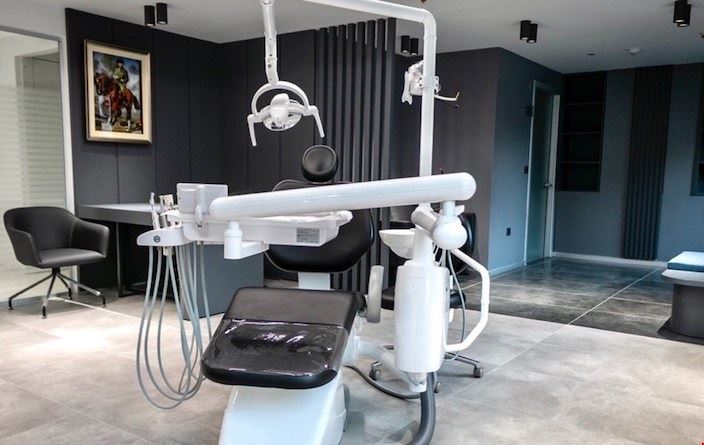


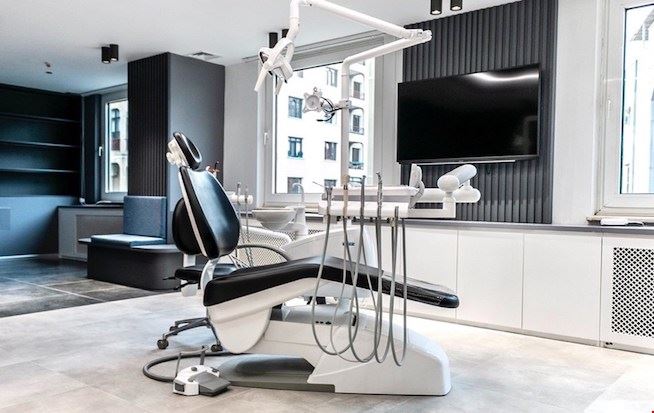
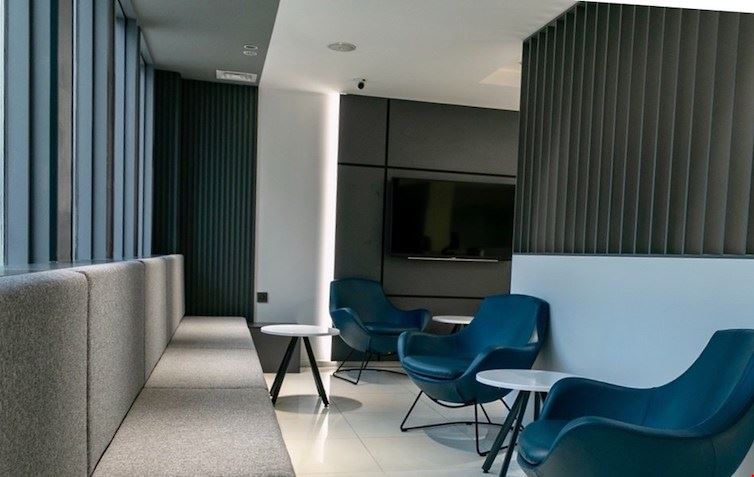
Şişli, Turkey · 786 clinic reviews
Speaks EN · FR +6


Şişli, Turkey · 888 clinic reviews
Speaks EN · FR +6
Send your details and a coordinator will tell you which clinics are appropriate for your case, and which are not.
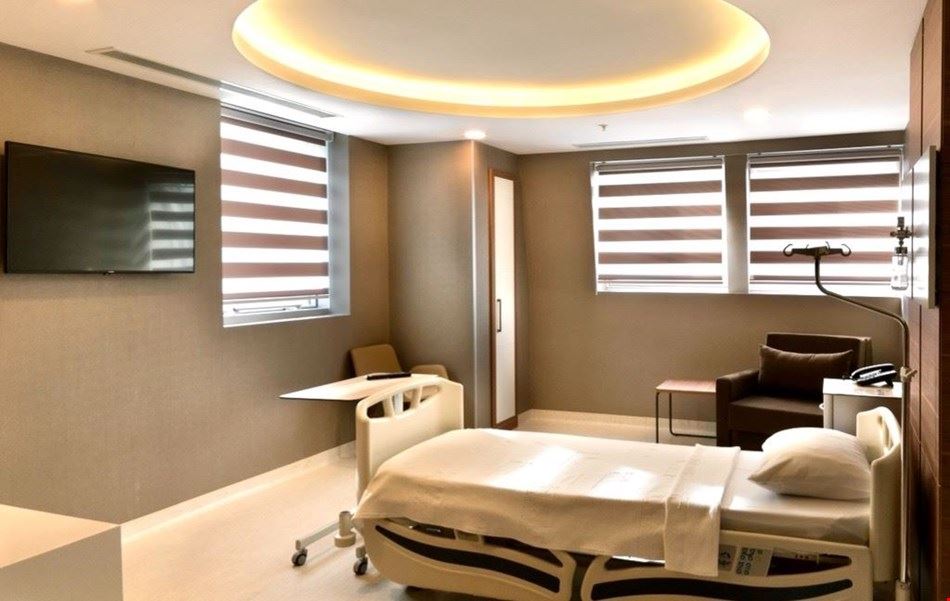
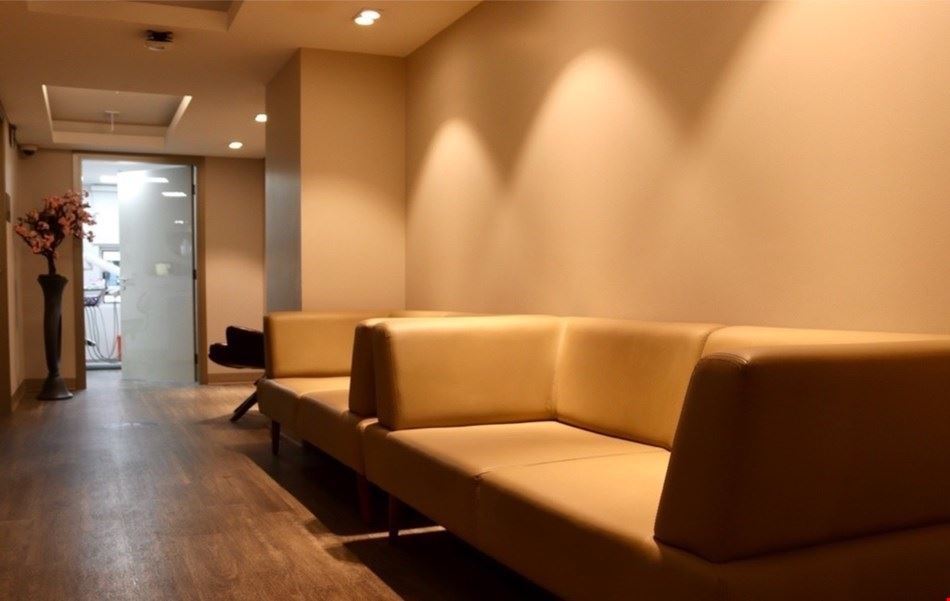
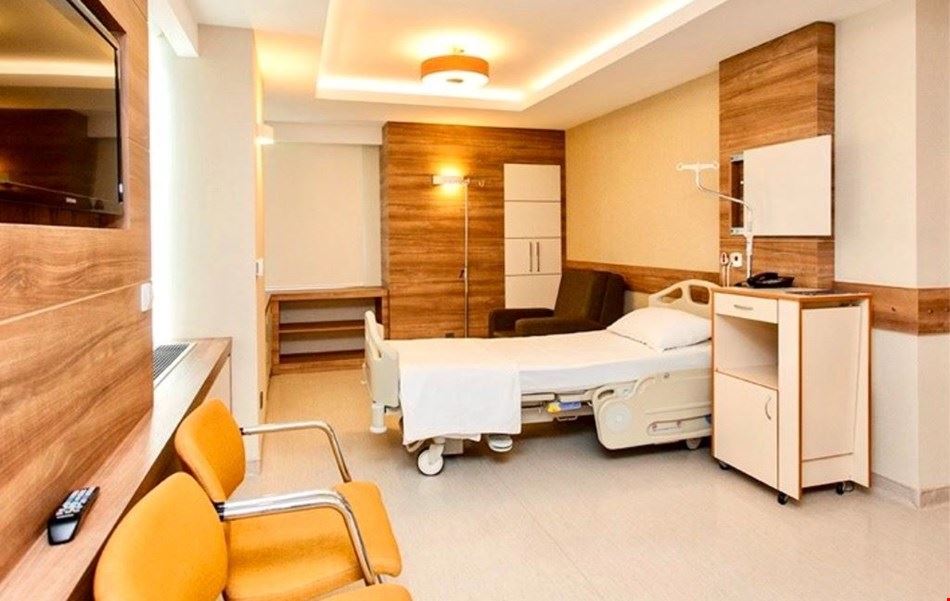
Şişli, Turkey · 435 clinic reviews
Speaks EN · FR +6



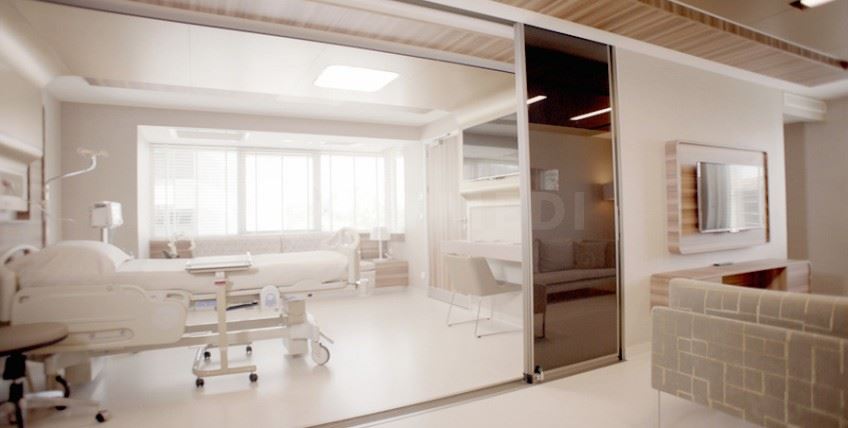


Şişli, Turkey · 48 clinic reviews
Speaks EN · SQ +14

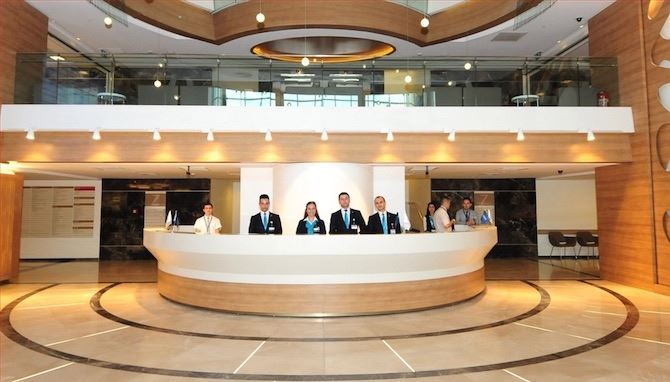

Bağcılar, Turkey · 18 clinic reviews
Speaks AZ · BG +11



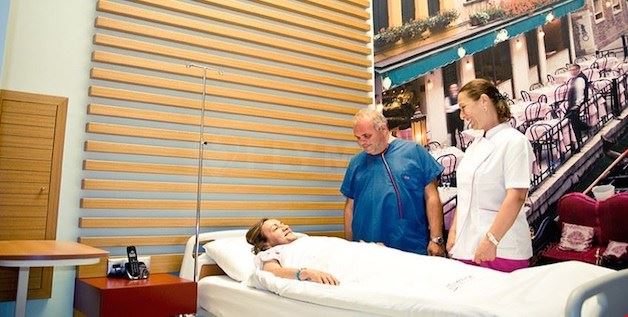
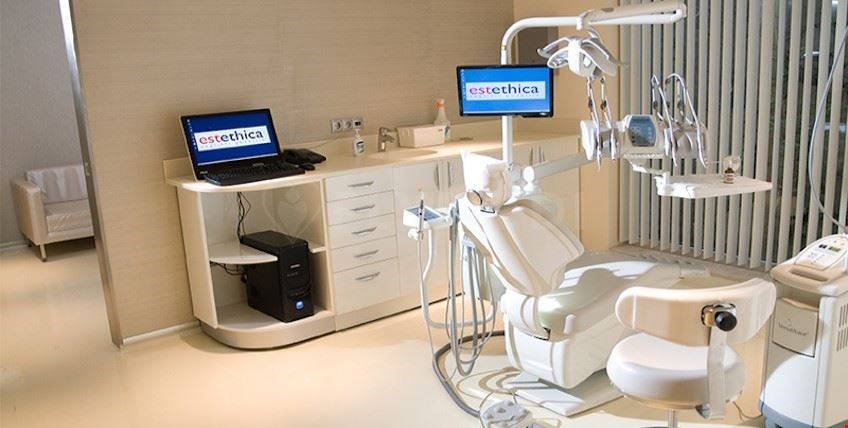
Ataşehir, Turkey · 60 clinic reviews
Speaks AZ · EN +6




Istanbul, Turkey · 15 clinic reviews


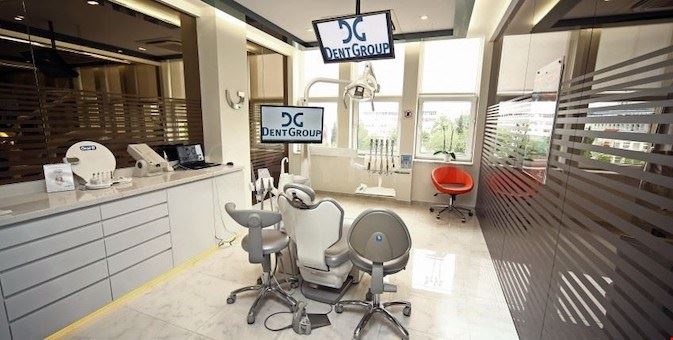


Sarıyer, Turkey · 26 clinic reviews
Speaks EN · NB +1




Gaziosmanpaşa, Turkey · 39 clinic reviews
Speaks EN · UZ +7


Bakırköy, Turkey · 30 clinic reviews
Speaks EN · FR +3
Clinics are scored and ordered by Flymedi. How ranking works.
Patients treated through Flymedi, in their own words. Nothing loads or plays until you press play.
Laura
Dental implants
Spoken in EnglishSource: YouTube
Helen Totsis
Dental implants
Spoken in EnglishSource: YouTube
Popi
Dental implants
Spoken in EnglishSource: YouTube
Gene Phillips
Dental implants
Spoken in EnglishSource: YouTube
Otilia Stefanciova
Dental implants
Spoken in EnglishSource: YouTube
Stephani Lvatts
Hollywood smile
Spoken in EnglishSource: YouTube
Duncan Allan
Dental implants
Spoken in EnglishSource: YouTube
Vasilicia Bocanet
Hollywood smile
Spoken in EnglishSource: YouTube
Mihai Madalin
Crowns
Spoken in EnglishSource: YouTube
Iain
Zirconium crowns
Spoken in EnglishSource: YouTube
The General Dental Council (GDC), which regulates dentistry in the UK, says you should always be assessed by a qualified dentist before being given a treatment plan and cost estimate, and that the dentist carrying out the assessment should ask for your full medical history. A plan built only from photographs cannot show whether a tooth is healthy enough to crown, whether there is enough bone for an implant, or whether gum disease needs treating first.
The GDC also suggests speaking to your own dentist before you travel. They know your dental history, can say whether the proposed treatment suits you, and need to know your plans in case of later complications. If you do not have a regular dentist, a one-off consultation at home still gives you an independent opinion.
Some cosmetic treatments remove healthy tooth, and a tooth that has been cut down will need a covering for the rest of its life. The NHS describes a crown as a cap that completely covers a real tooth, which has to be shaped for the crown to be fixed on, and a veneer as a new facing for a tooth, for which the front of the tooth is sometimes drilled away a little. Composite bonding adds tooth-coloured material to the surface and usually needs little or no drilling. Before you agree to anything, ask the dentist to write down, tooth by tooth, which treatment you will have and how much tooth will be removed.
In a survey of more than 1,000 UK dentists published by the British Dental Association (BDA) on 14 July 2022, crowns were the treatment most likely to need follow-up work after treatment abroad, closely followed by implants.
Each treatment below has its own page on Flymedi. For every one, ask the same three things: what it involves, whether it can be undone, and what it will need from you and your dentist at home.
Other treatments listed on Flymedi include bone grafts, sinus lifts, extractions, fillings and professional cleaning. A Hollywood smile or smile makeover is a sales label rather than a treatment: ask which teeth will be treated, and whether you will receive veneers, crowns or bonding.
Each clinic sets its own price, so compare what quotes include, not just the totals. Ask each clinic to confirm in writing:
Then add what no clinic price covers: flights and hotels for every trip, travel insurance, time off work and dental visits at home. The NHS treatment abroad checklist says that if cost is your main reason for going abroad, you should factor in fluctuating exchange rates, the possibility of extending your stay and the cost of possible return trips. The lowest quote is not always the lowest total once repeat trips and repairs are counted.
In the UK. The NHS provides clinically necessary treatment to keep your mouth, teeth and gums healthy, charged in bands, and says you will usually need to get cosmetic treatments privately; it names teeth whitening, implants and veneers as treatments not usually available on the NHS. Before paying for treatment abroad, find out what the NHS or your dental plan would cover at home; the current NHS dental charges are published on nhs.uk. The NHS treatment abroad checklist also says that before paying for treatment abroad yourself, you should find out whether you are eligible for funding for planned treatment in Europe, and apply before you travel.
With a dental plan or private insurance, in the UK or elsewhere. Ask your provider in writing whether it covers treatment abroad, and whether it would cover repairs at home to work done abroad.
The BDA survey of July 2022 shows why aftercare matters. Of the UK dentists who responded, 95% had examined patients who had travelled abroad for dental treatment, and 86% of those had treated cases that developed complications. Two-thirds said repairing the damage had cost patients at least £500, and one in five of those reporting costs said the bill had exceeded £5,000. Nearly all said they were concerned about continuity of care.
Before you book, find out who will look after your teeth at home. Ask your own dentist whether they will see you for check-ups and repairs after treatment abroad, and on what terms. Ask the clinic how it handles problems after you have left, including whether you would need to fly back and who would pay for that.
A useful aftercare arrangement names who to contact, which check-ups are included and where, how your records reach your dentist at home, what the guarantee covers and requires, and who pays for repairs, flights and hotels if something fails.
For the treatments above, the problems dentists see include implants that fail to bond with the bone or become infected, infection or nerve injury after surgery in the jaw, lasting sensitivity, gum problems around crowns and bridges that do not fit well, bite problems after a full set of new teeth, and crowns, veneers or bridges that fracture or come loose. The NHS lists sensitivity and sore gums as common side effects of whitening. None of these is rare enough to ignore, and each is harder to deal with when the dentist who treated you is in another country.
Being far from that dentist adds its own problems. Dentists in the BDA survey raised concerns about the quality of care, about how patients could complain or seek redress, and about communication between patients and the dentists treating them abroad. The US Centers for Disease Control and Prevention (CDC) lists dental care among the most common reasons people travel for treatment, and warns about infections, including drug-resistant ones, about requirements for licensing, credentialing and accreditation that can be lower than at home, and about follow-up care for complications that might be expensive and might not be covered by health insurance.
These risks are the reason for the checks on this page: a dentist you have checked on a register, a written tooth-by-tooth plan, a written aftercare arrangement, the right insurance and enough time for each stage before you fly.
There is no best country for dental treatment. What matters is whether you can check the dentist, reach the clinic after you return and get a written plan. Compare countries on:
One entry per country with an English destination page and at least one listed clinic, in alphabetical order, checked on 17 September 2026. A country is left out while any of its listed clinics is in an area where the FCDO advises against all travel or all but essential travel. Before you book, read the current FCDO advice for the clinic's city at gov.uk/foreign-travel-advice.
Be cautious if a clinic will not name the dentist before you pay, gives a firm quote without examining you or seeing X-rays, recommends crowning healthy teeth without explaining the alternatives, pushes you to book quickly, or will not put the aftercare arrangement in writing. The BDA's chair put it plainly in 2022: patients need to give informed consent for any treatment they have and be wary of a hard sell.
Some overseas clinics offer consultations in the UK or online before you travel. The GDC notes that what takes place at such events, for example assessments and advice, may amount to practising dentistry, which in the UK only registered professionals can do, so check whether the person seeing you is on the GDC register. Wherever it happens, a proper consultation covers your medical and dental history and the options for your teeth, including doing less or nothing.
The NHS treatment abroad checklist says to make sure you have appropriate travel insurance and to tell your insurer about your plans to have treatment abroad. Check whether the policy excludes the treatment you are travelling for, and whether it covers complications, a longer stay and changed flights. A UK Global Health Insurance Card covers state healthcare that cannot reasonably wait until you are home; the NHS says it does not replace travel insurance and does not cover treatment in private facilities, so it is no substitute for insurance when you travel for planned private treatment.
If you live in the US, Ireland, Australia, Canada or elsewhere, the same checks apply: an examination before a plan, a registered dentist, and a written aftercare arrangement. Ask your own insurer or dental plan in writing what it covers, and read your own government's travel advice for the clinic's city.
Reviews and photos show individual experiences. When you read them:
Read how Flymedi collects reviews before relying on a score.
General Dental Council, Going abroad for dental treatment. NHS, Treatment abroad checklist, last reviewed 19 November 2023; Dental treatments; What dental services are available on the NHS; Teeth whitening; UK Global Health Insurance Card. British Dental Association, Dental tourism: patients need to know the risks, 14 July 2022. US Centers for Disease Control and Prevention, Medical tourism. UK Foreign, Commonwealth and Development Office, foreign travel advice, read on 17 September 2026.
The dentist who reviewed this page and the date of the review are shown at the top of the page.
Photos supplied by the clinics that performed the treatment, with patient consent. Each photo is credited to its clinic.
Reviews left by patients treated through Flymedi for this treatment. Each one is written in the patient's own language.
N.· Dental bridge✓ Verified
5.0 · 5 June 2026
I travelled to Turkey for a dental bridge after receiving a very high quote at home. The dentist at DentaVivo checked my bite carefully and made a few adjustments until everything felt comfortable. The clinic was modern, clean and the staff were friendly throughout the treatment. Flymedi made the process simple, and I was very happy with both the cost and the quality of care.
C.· Dental bonding✓ Verified
5.0 · 3 June 2026
I chose DentaVivo for dental bonding because I had a few small gaps and uneven edges on my front teeth. The dentist explained what could be improved without making my smile look artificial. The whole treatment was quicker and easier than I expected, and the result looks really natural. Flymedi helped with the booking and communication, so everything felt well organised from the beginning 😊
M.· Teeth whitening✓ Verified
5.0 · 15 May 2026
I had professional teeth whitening at DentaVivo because I wanted a brighter smile before an important event. The dentist was very gentle and explained what kind of result would look natural for me. My teeth looked noticeably whiter after the treatment, but not fake or overly bright. Flymedi made the booking really easy and everything went smoothly from start to finish 🙂
D.· Dental implants✓ Verified
5.0 · 17 April 2026
I had two dental implants placed at DentaVivo after receiving very expensive quotes at home. The dentist explained the treatment plan clearly and answered all of my questions before starting. I was a little nervous, but the procedure went smoothly and the staff checked on me regularly afterwards. Flymedi made the booking process simple, and I was very impressed with the quality considering the affordable cost.
1178 reviews
Answers from the medical content team, reviewed by the medical reviewer named on this page.
Written by Asli Diken, Expert Medical Writer at Flymedi. Medically reviewed by Dt. Musa Kaya, Dentistry. Content updated 30 July 2026. Next scheduled review 30 July 2027.
This page is general information, not personal medical advice. It does not diagnose you and it does not replace an individual assessment by a doctor who has examined you.
Found something wrong or out of date on this page? Tell us and we will check it. Editorial standards and reviewer list: authors and reviewers.
Tell us about your case and a coordinator matches you with clinics that fit it.