
Dentavivo ✔ Verified
Şişli, Turkey · 786 clinic reviews
9.3FlymediScore
Lead: Dt. Mine Helvacıoğlu Özkardeş, Dentistry

TURSABMOHADADDUTDB
Speaks EN · FR +6
Dental treatment in Turkey is dental work done in a Turkish clinic and bought as a package, usually with the hotel and airport transfers included and flights left out.
Clinics in Turkey quote per tooth or per implant, so the tooth count and the material decide the price. Crowns and veneers usually take one trip of 3 to 7 nights; implants normally need a second trip months later, once the bone has healed.
Most clinics offer a way to pay in instalments. What matters is who lends the money, the total repayable and what happens if the plan changes after the in-person examination.
Figures are ranges, not promises. Suitability needs an individual assessment by a doctor.
Each clinic sets its own price, so check what the price includes before comparing two of them.

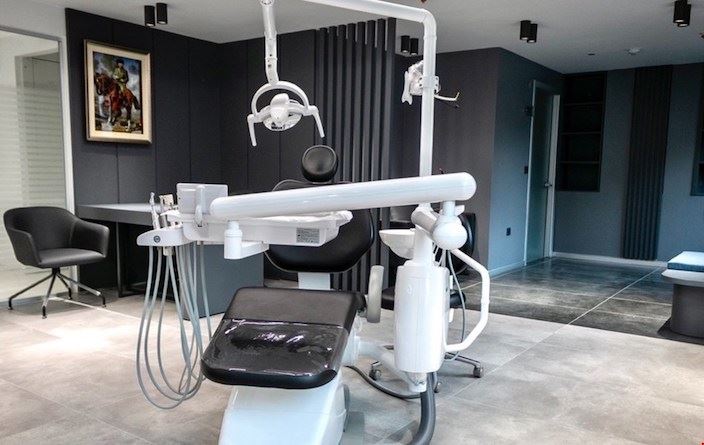
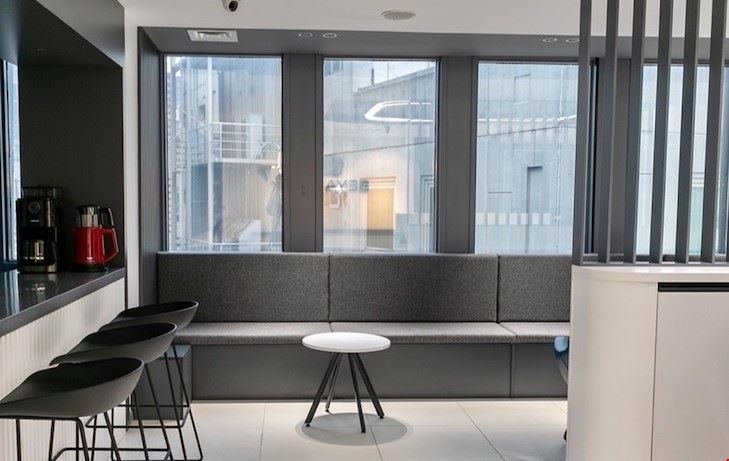

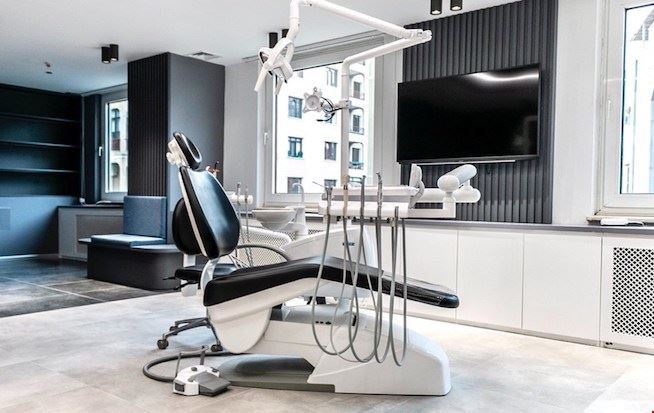
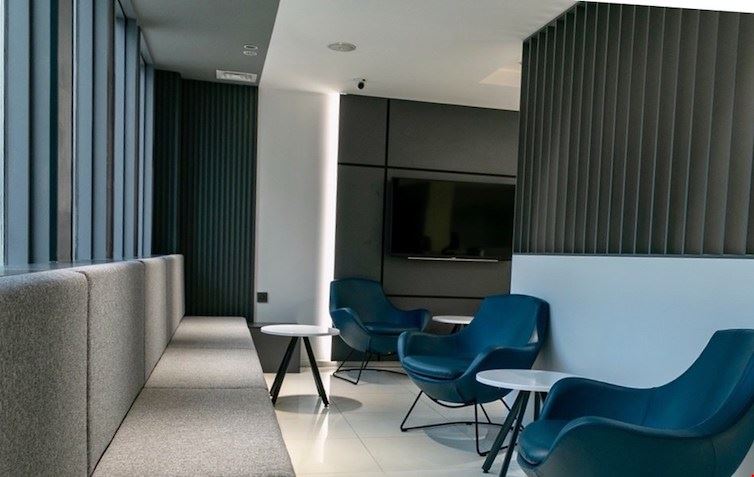
Şişli, Turkey · 786 clinic reviews
Speaks EN · FR +6


Şişli, Turkey · 888 clinic reviews
Speaks EN · FR +6
Send your details and a coordinator will tell you which clinics are appropriate for your case, and which are not.
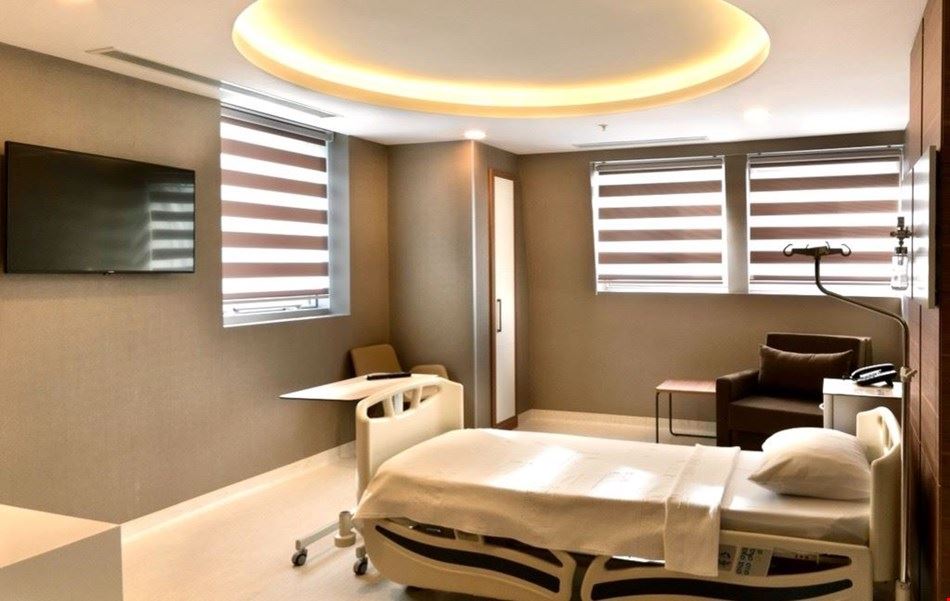
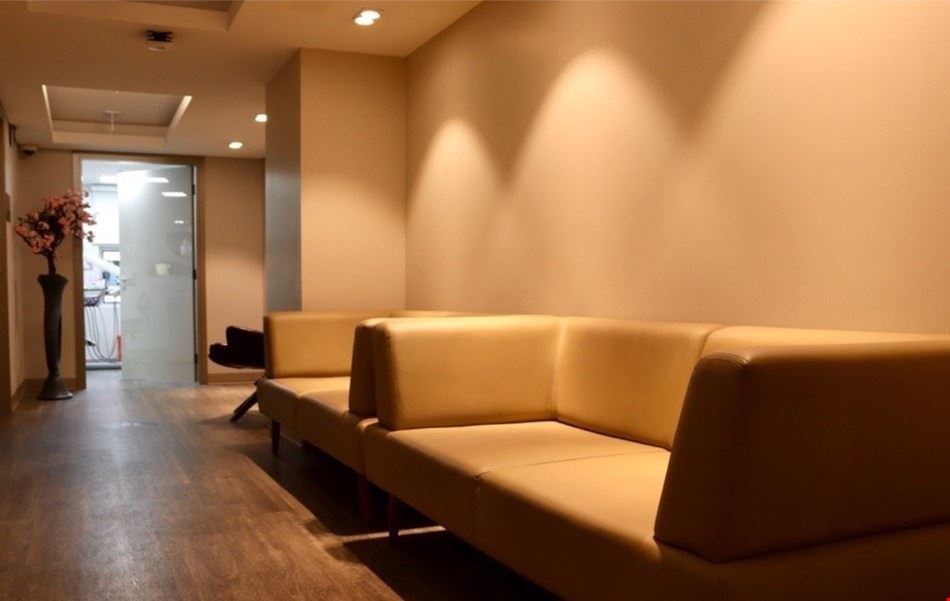
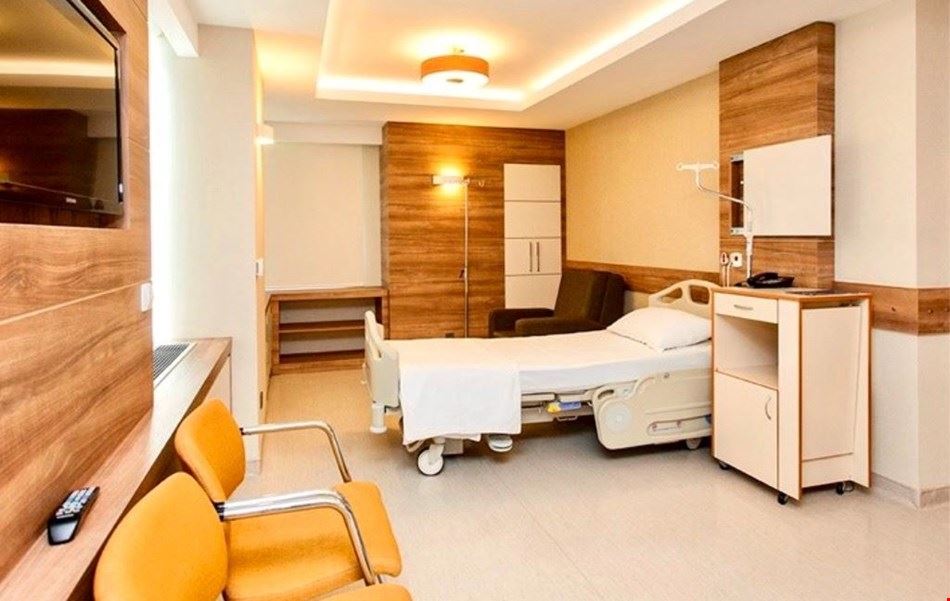
Şişli, Turkey · 435 clinic reviews
Speaks EN · FR +6

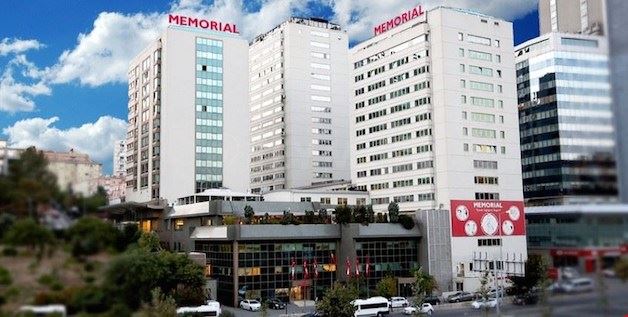
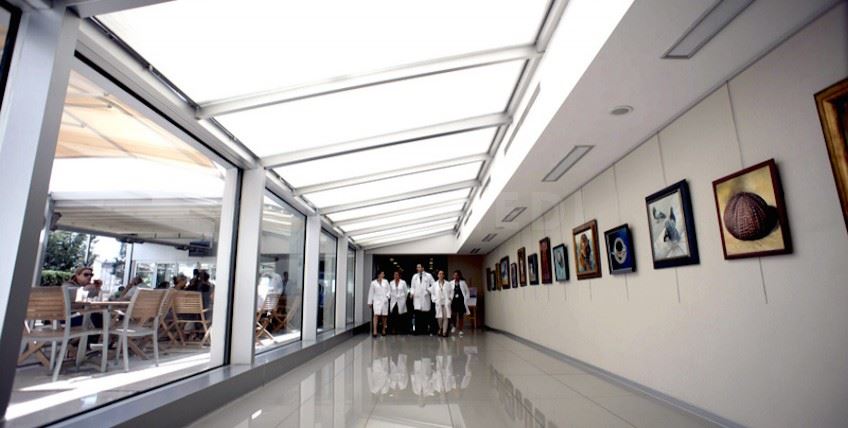
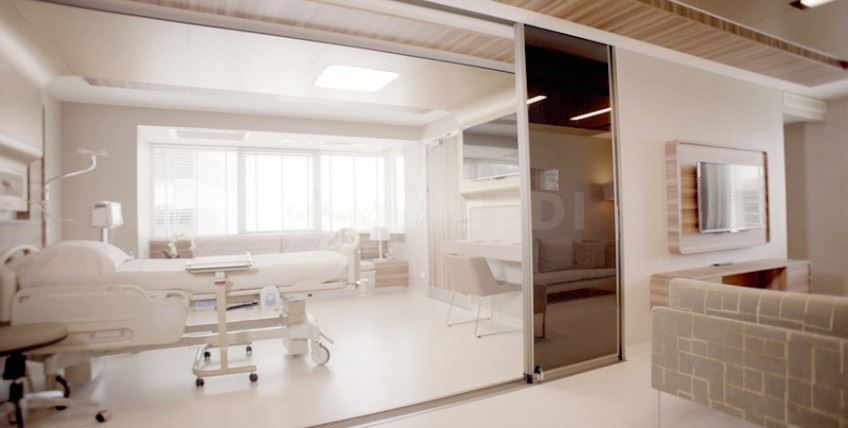
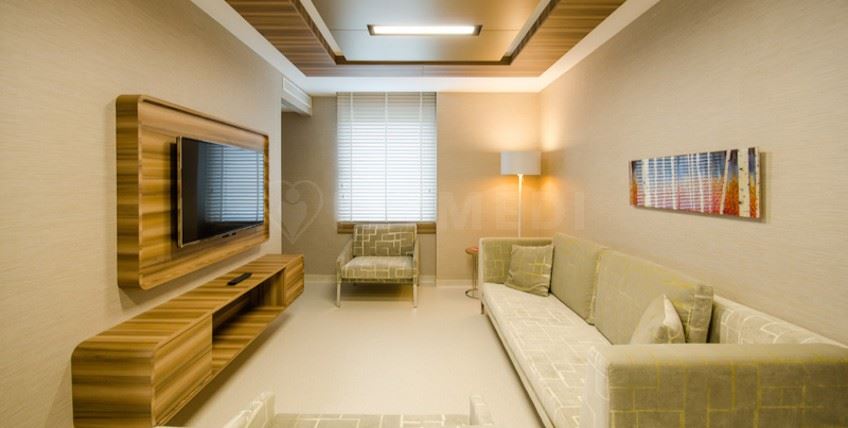
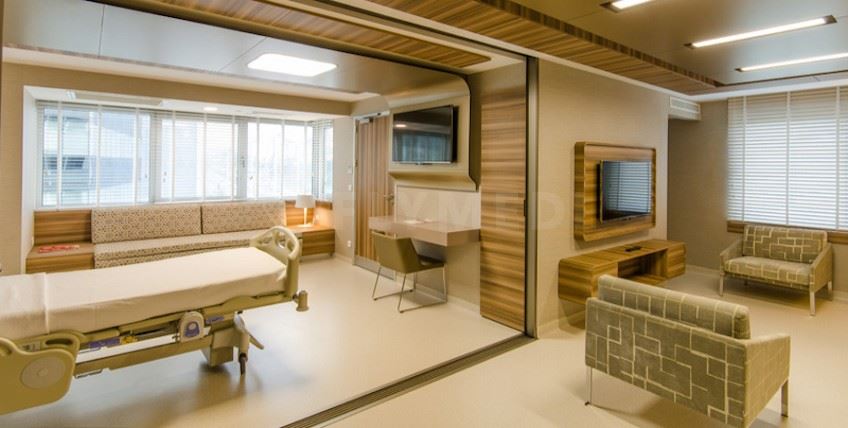
Şişli, Turkey · 48 clinic reviews
Speaks EN · SQ +14

Bağcılar, Turkey · 18 clinic reviews
Speaks AZ · BG +11


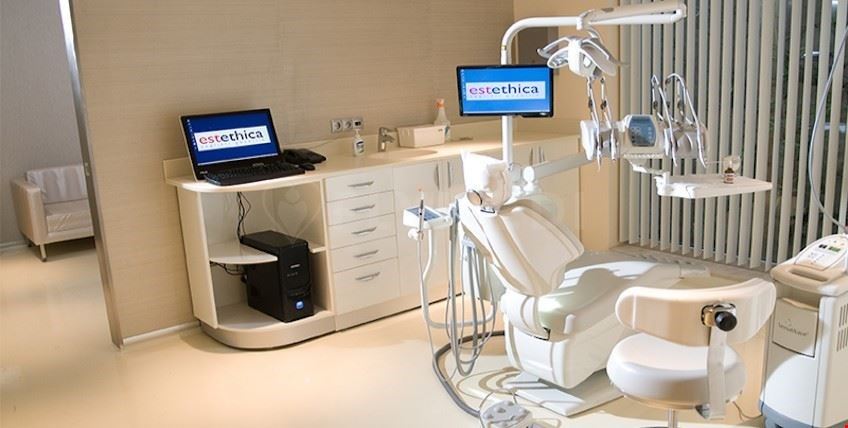
Ataşehir, Turkey · 60 clinic reviews
Speaks AZ · EN +6


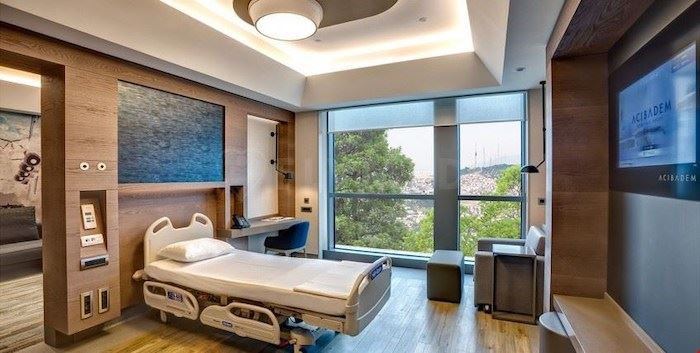

Istanbul, Turkey · 15 clinic reviews

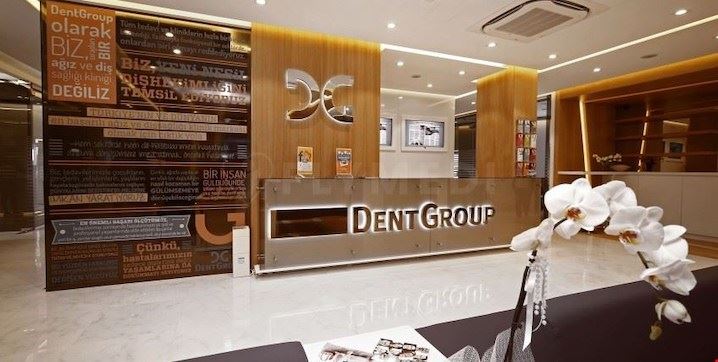
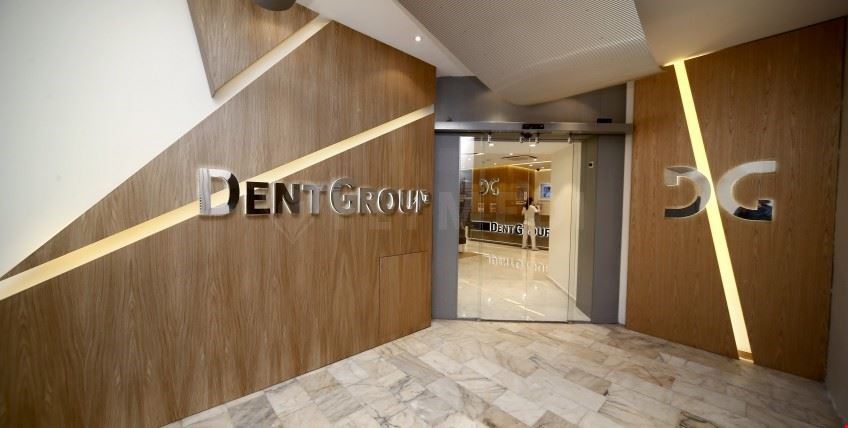
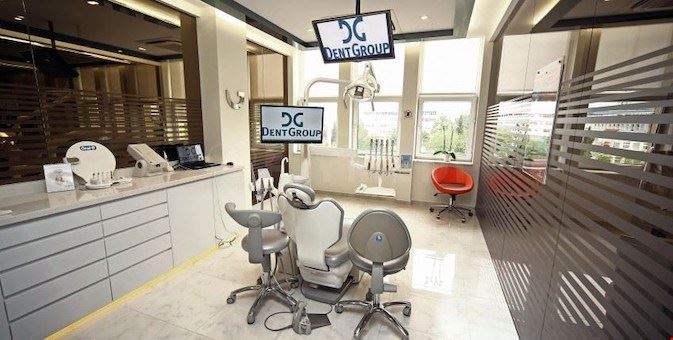
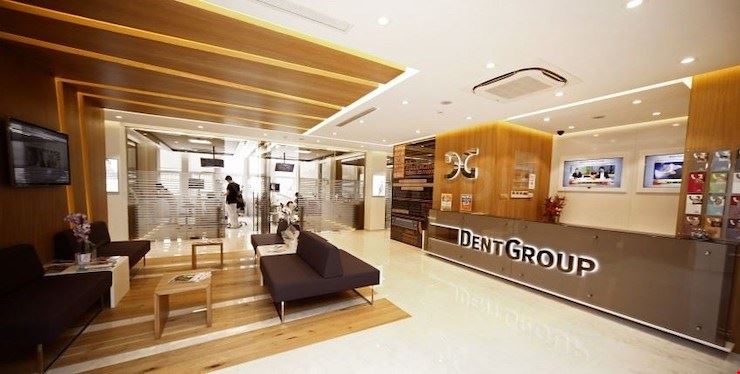
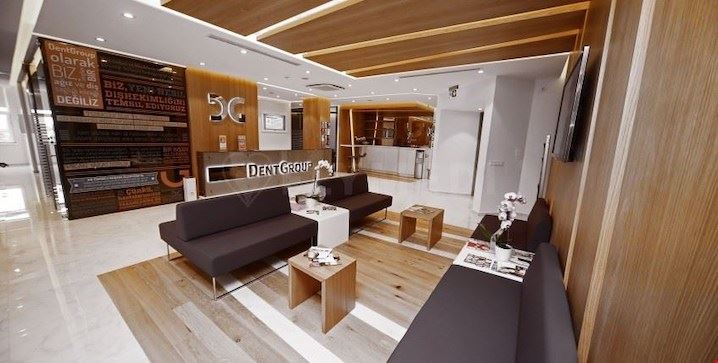
Sarıyer, Turkey · 26 clinic reviews
Speaks EN · NB +1

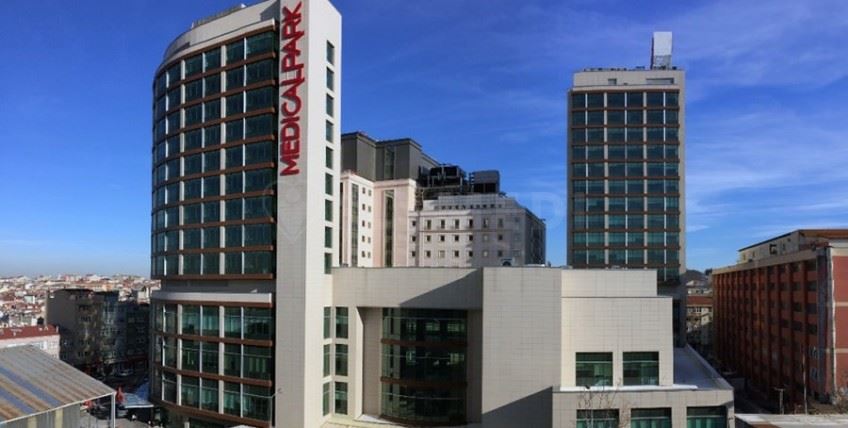
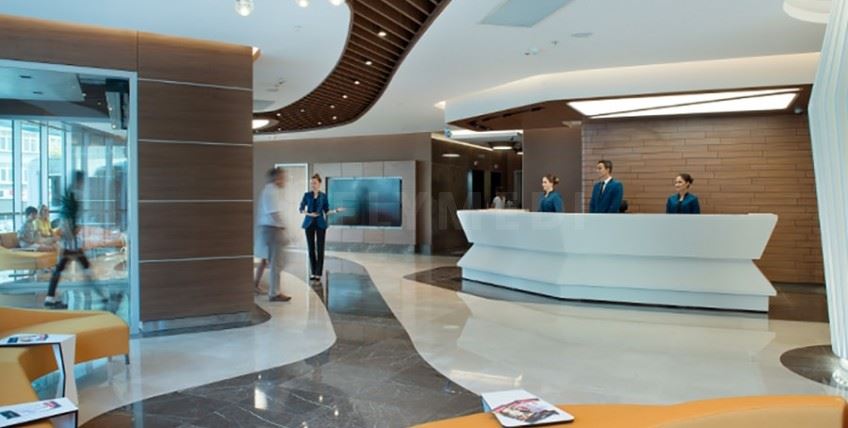
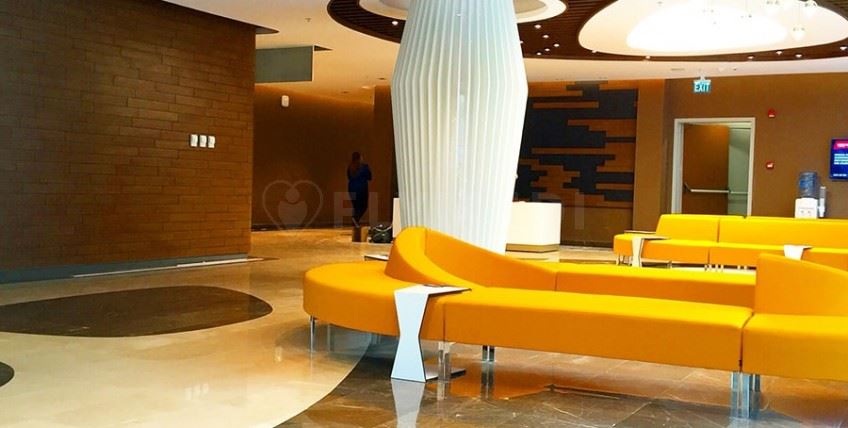
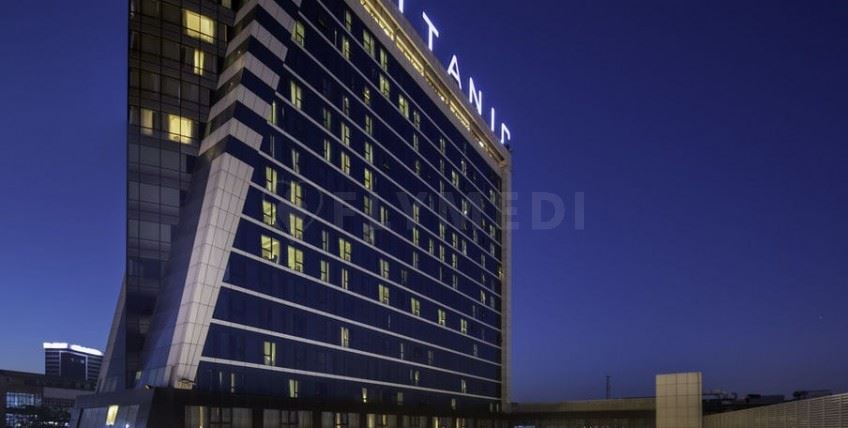
Gaziosmanpaşa, Turkey · 39 clinic reviews
Speaks EN · UZ +7

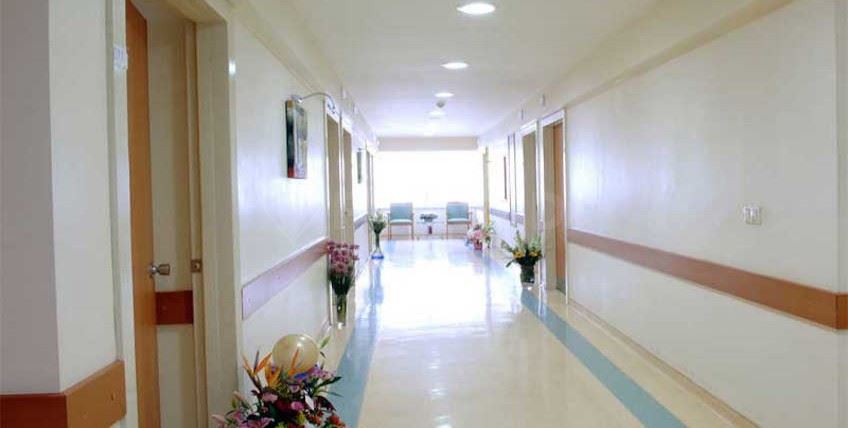
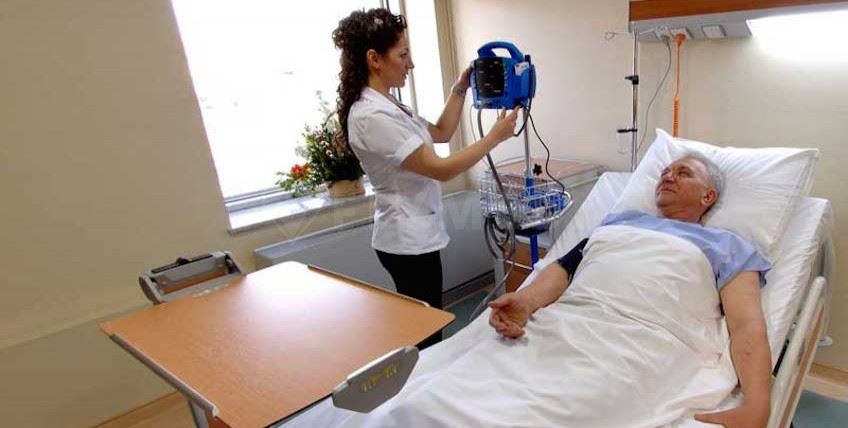
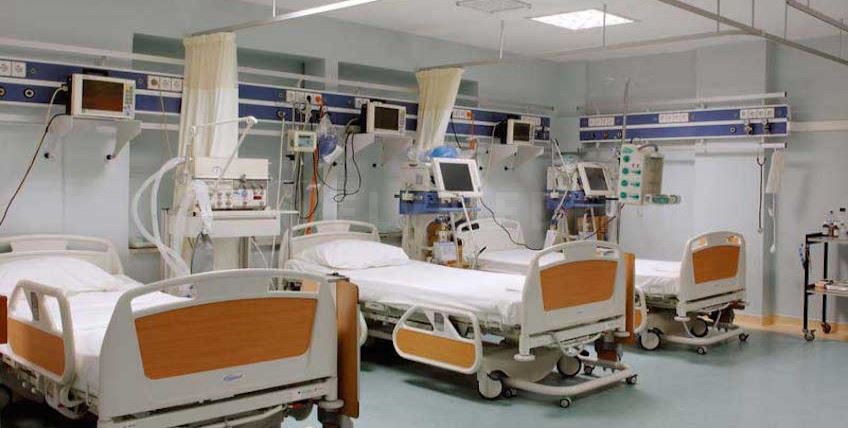
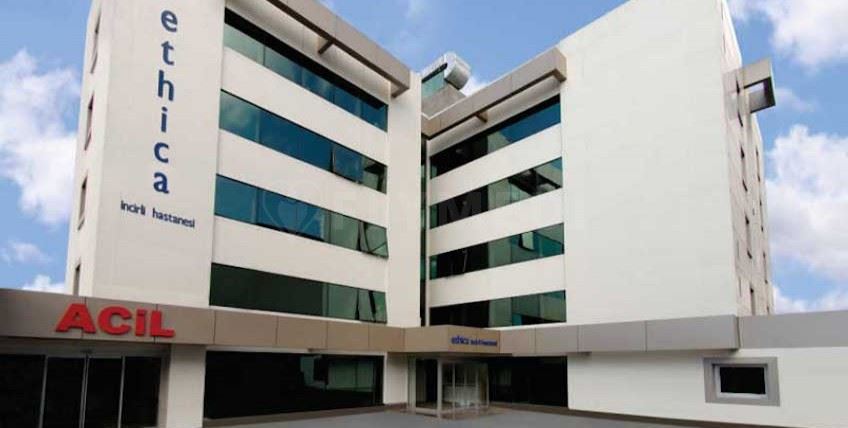
Bakırköy, Turkey · 30 clinic reviews
Speaks EN · FR +3
Clinics are scored and ordered by Flymedi. How ranking works.
Patients treated through Flymedi, in their own words. Nothing loads or plays until you press play.
Laura
Dental implants
Spoken in EnglishSource: YouTube
Helen Totsis
Dental implants
Spoken in EnglishSource: YouTube
Popi
Dental implants
Spoken in EnglishSource: YouTube
Gene Phillips
Dental implants
Spoken in EnglishSource: YouTube
Otilia Stefanciova
Dental implants
Spoken in EnglishSource: YouTube
Stephani Lvatts
Hollywood smile
Spoken in EnglishSource: YouTube
Duncan Allan
Dental implants
Spoken in EnglishSource: YouTube
Vasilicia Bocanet
Hollywood smile
Spoken in EnglishSource: YouTube
Mihai Madalin
Crowns
Spoken in EnglishSource: YouTube
Iain
Zirconium crowns
Spoken in EnglishSource: YouTube
Clinics are scored from patient reviews and ordered by Flymedi. The facts behind each position are listed below. How ranking works.
| Rank | Clinic | FlymediScore | Lead doctor | Experience | From | Why it is ranked here |
|---|---|---|---|---|---|---|
| 1 | Dentavivo | 9.3 | Mine Helvacıoğlu Özkardeş | 8 years | €120Treatment only | Declares TURSAB, MOH, ADA, DDU, TDB. 5 doctors listed. |
| 2 | Luna Clinic Turkey | 9.4 | 33 doctors | Not listed | €100Treatment only | Most reviewed on this page (888 reviews). Declares TURSAB, MOH, ESCAD, TTB. 33 doctors listed. |
| 3 | Istanbul European Clinic | 9.3 | 14 doctors | Not listed | €100Treatment only | Declares TURSAB, MOH, ASAPS, ESCAD, ESHRS, ISAPS, TTB. 14 doctors listed. |
| 4 | Memorial Sisli Hospital | 9.1 | 3 doctors | Not listed | Price on request | Declares JCI, EFI, ISO 9001:2000, TTB. 3 doctors listed. |
| 5 | Medipol Mega University Hospital | 9.4 | Abdullah Özel | 7 years | Price on request | Declares JCI. 4 doctors listed. |
| 6 | Estethica Atasehir | 9.6 | Yıldız Öztürk Ortan | 35 years | €126Treatment only | Declares TTB. 4 doctors listed. |
| 7 | Acibadem Healthcare Group | 9.5 | Hakan Necip İşcan | 19 years | Price on request | 4 doctors listed. |
| 8 | DentGroup Maslak | 9.5 | Alper Şen | 11 years | €110Treatment only | 4 doctors listed. |
| 9 | Medical Park Gaziosmanpasa Hospital | 9.7 | 4 doctors | Not listed | Price on request | Highest FlymediScore on this page. Declares JCI, CEN, EMBT, ISCT, CIBMTR. 4 doctors listed. |
| 10 | Ethica Incirli Hospital | 9.1 | 4 doctors | Not listed | Price on request | Declares TTB. 4 doctors listed. |
Dental treatment in Turkey, often called dentistry in Turkey, covers everything from a scale and polish to full-mouth implants, bought as a package that usually bundles the treatment, the hotel and the airport transfers. Most people come for one of three things: crowns or veneers on the front teeth, implants to replace missing teeth, or a full-mouth rebuild.
The current starting price and the label saying what it covers, all-inclusive package or treatment only, are in the 'at a glance' box at the top of this page. Read the label before you compare anything. A figure that covers only the chair time and a figure that covers the treatment, the hotel, the transfers and the follow-up visit are not the same number, and almost every confusing comparison starts there.
Dentistry is priced per unit, not per trip, which is what makes quotes hard to line up. A crown is quoted per tooth, an implant per implant, and a full-mouth case per arch. Two clinics can quote very different totals for the same mouth because one assumes twenty crowns and the other assumes sixteen crowns and four veneers. Ask for the tooth count in writing.
Each price is per tooth, per implant or per arch, and the label says whether it covers the treatment only or an all-inclusive package. Prices come from the clinics on each treatment page and change when they update them; these were checked on 13 October 2026.
Each treatment has its own page with its own current price and basis chip. Use these rather than a single headline figure:
Two costs are almost always missing from the mental sum: the second trip, because most crown and implant work needs one, and the flights for both trips. Ask for the quote in writing with a line per item, including the tooth count and the material, before you pay a deposit.
The city changes the logistics more than the dentistry. Most of the clinics listed on this page are in Istanbul, a smaller group is in Antalya and a few are in Izmir and other cities, so Istanbul gives you the most choice of dates and dentists. Antalya suits people who want to combine treatment with a holiday. Choose by how many trips your treatment needs: implant cases mean travelling twice.
Yes, dental work in Turkey can usually be paid for in instalments, and this is the single most common question people arrive on this page with. What varies is who is lending you the money, and that difference matters more than the monthly figure.
Instalment terms depend on the clinic and on who lends the money, so ask for them in writing with the quote: the lender's legal name, the total amount repayable, the APR and what happens if the treatment plan changes after the in-person examination.
The honest warning is this: financing makes an expensive decision feel like a small monthly one, and dentistry is a field where the expensive decision is often the irreversible one. If the only way the treatment works is on credit, that is a reason to slow down and get a second opinion on the treatment plan, not just on the price.
"Turkey teeth" is a nickname, not a treatment. It usually refers to a full set of crowns fitted across the front teeth in a few days, producing a very white, very even smile. The phrase picked up its bad reputation for one specific reason, and it is worth understanding before you book anything. If you want the background first, read what Turkey teeth are and why the phrase has a bad name.
A veneer is a thin facing bonded to the front of a tooth, and preparing one removes a small amount of enamel. A crown covers the whole tooth, and preparing one means reducing the tooth substantially on every side. Crowns are the right answer for a tooth that is already damaged, root-filled or heavily restored. On a healthy tooth they are a much bigger intervention, and the reduction cannot be undone.
The complaints that made the phrase famous mostly come from healthy teeth being prepared for crowns while the treatment was described as veneers. That is a consent problem before it is a quality problem, and it is entirely avoidable by asking one question.
Ask, in writing: are you fitting crowns or veneers, on which specific teeth, and how much of each tooth will be reduced? A clinic that answers precisely is one you can work with. A clinic that answers with a brand name for the smile rather than a name for the procedure is telling you to look elsewhere.
Two more things worth knowing. Crowns and veneers are not permanent: they are replaceable restorations with a service life, and a mouth full of them commits you to maintaining and eventually replacing them. And a shade far brighter than your natural teeth is a choice, not a standard, so agree the shade before the work starts rather than after.
Dental work in Turkey is bought as a trip, which changes how it is planned. Nearly all of it falls into three groups, and knowing which one you are in tells you how long you will be there and how many visits it takes.
| What you need | Typical treatments | Visits | Time in Turkey |
| Cosmetic work on healthy teeth | Whitening, veneers, bonding | One or two | Around 3 to 7 nights |
| Restoring damaged teeth | Fillings, root canals, crowns, bridges | Usually two | About 5 to 7 nights per visit |
| Replacing missing teeth | Implants, all-on-4, all-on-6, dentures | Two, months apart | About 5 nights, then 5 to 7 nights |
Scroll sideways for the full table
The second visit is the part people underestimate. Implants need the bone to heal around them before the final teeth go on, which normally means going home and coming back. Some clinics offer a same-trip temporary set so you do not fly home without teeth, but the permanent work still waits. If someone promises a full implant case start to finish in a single week, ask specifically what you are leaving with.
These are the treatments people actually travel for, what each one is for, and where to read the detail and the current price.
| Treatment | What it is for | Roughly how long |
| Dental implants | Replacing missing teeth at the root | Two visits, months apart |
| All-on-4 and all-on-6 | A full arch of teeth on four or six implants | Two visits, months apart |
| Crowns | Covering a tooth that is damaged, root-filled or heavily filled | One visit, 5 to 7 nights |
| Zirconium crowns | The material most often quoted for strength on back teeth | One visit, 5 to 7 nights |
| E-max crowns | A glass-ceramic usually chosen for front teeth | One visit, 5 to 7 nights |
| Veneers | Facings for healthy front teeth that need shape or shade changed | One visit, 3 to 7 nights |
| Hollywood smile | A marketing name for a front-teeth makeover, crowns or veneers | One visit, 5 to 7 nights |
| Dental bridge | Filling a gap using the neighbouring teeth for support | One visit, 5 to 7 nights |
| Root canal treatment | Saving a tooth with an infected or dying nerve | One or two appointments |
| Teeth whitening | Lightening the natural shade of your own teeth | One or two appointments |
| Teeth cleaning | Scale and polish, removing plaque and tartar | One appointment |
Scroll sideways for the full table
One distinction that saves people money: whitening changes the colour of your own teeth and costs very little, while crowns and veneers replace the surface of the tooth and cost a great deal more. If shade is the only thing you want to change and your teeth are healthy, start at the cheap end of that list, not the expensive one.
There are a great many dental clinics in Turkey, and the marketing looks similar across all of them. These are the things that actually separate them, and every one of them is something you can check before you pay. For a longer checklist, read our guide on how to find a dentist in Turkey.
If a clinic cites an international accreditation, ask which entity is accredited and to see the certificate, then check it yourself in the accrediting body's register. Accreditations are verifiable, and a claim that cannot be verified stays a claim rather than a fact.
Two warning signs worth taking seriously. A price that only holds if you book today is a sales tactic, not a price. And a clinic that will not put the tooth count, the materials and the warranty terms in writing has answered your question already.
What is usually not included: flights, groundwork discovered at the in-person examination such as extractions or bone grafts, the second trip for implant cases, and anything you need once you are home. Ask specifically whether the second trip is covered, because on implant cases that is the difference between two flights and four.
Recovery depends far more on which treatment you had than on where you had it. These are the usual patterns.
| Treatment | Recovery | What to expect |
| Teeth cleaning | None to a day | Gums may be tender and teeth briefly sensitive |
| Whitening | A day or two | Sensitivity to hot and cold that settles on its own |
| Fillings | A few hours | Numbness while the anaesthetic wears off |
| Crowns and veneers | A few days | Sensitivity and a bite that needs adjusting |
| Root canal treatment | A few days to a week | Tenderness when biting on that tooth |
| Tooth extraction | About 7 to 10 days | Swelling and soreness, more after wisdom teeth |
| Implants | Days for the gum, months for the bone | Soreness for days; the bone integrates over months |
| Full-arch implants | A week or two, then months | Soft diet at first, final teeth after healing |
Scroll sideways for the full table
There is no official rule on how soon you can fly after dental treatment, so agree the date with your dentist before you book the flight home. The wait is longer after extractions, implants or a sinus lift than after a filling. Changes in cabin pressure can make a recently treated tooth ache, which is called barodontalgia.
Whatever the treatment, expect a soft diet at first, no smoking while the tissue heals, and meticulous cleaning around anything new. Smoking raises the risk of an implant failing, which is the most expensive thing that can go wrong here.
Common in the first days, and not a sign that anything went wrong:
Less common, and reasons to contact the clinic rather than wait:
The risks worth weighing before you agree to anything are the irreversible ones: enamel removed for a crown does not grow back, a nerve removed in a root canal does not return, and an extracted tooth is gone. Those decisions deserve a second opinion, and asking for one is normal.
The honest way to judge dental work is not how it looks on the day the temporary comes off. It is whether the bite is comfortable, whether the gums stay healthy around the new margins, and whether it is still sound in five years.
Nobody can promise you a result in advance, and a clinic that does is describing marketing rather than dentistry. What a good clinic can tell you is what it expects for your mouth specifically, what it will do if that does not happen, and who pays for it.
Travelling for dental work does not suit everyone, and a clinic that says otherwise is not the right clinic. Expect to be turned down, or advised to wait, in these situations:
Dental reviews are unusually easy to misread, because almost everyone writes them in the week the temporaries come off, when the smile looks its newest and nothing has been tested yet. Look for reviews written six months or more after treatment, and look for what happened when something needed fixing.
Three different things are called a score here and they do not add up together:
Keep them separate, and read the negative reviews too. They show how a clinic behaved when something did not go to plan, which is the one thing an average never tells you.
Disclosure: Dt. Mine Helvacıoğlu, who medically reviewed this page, is also the lead doctor at Dentavivo, which is listed on this page.
| Field | Dentistry, dental treatment |
| Common treatments | Implants, crowns, veneers, bridges, root canals, whitening, cleaning |
| Anaesthesia | Local anaesthetic; sedation or general anaesthetic for larger surgery |
| Hospital stay | None for most dentistry |
| Stay in Turkey | About 3 to 7 nights, depending on the treatment |
| Visits needed | One for most work; two, months apart, for implants |
| Back to work | Usually the next day for routine work |
| Recovery | Hours to a few days, except implants |
| Final result | Same trip for crowns and veneers; after bone healing for implants |
| Pain | Mild to moderate, managed with the prescribed painkillers |
| Side effects | Sensitivity, sore gums, a bite that needs adjusting |
| Risks | Infection, nerve irritation, implant failure, restoration failure |
| Longevity | A service life, not permanent; depends on gum health and grinding |
| Related pages | Dental implants, crowns, veneers, all-on-4, all-on-6 |
Scroll sideways for the full table
Photos supplied by the clinics that performed the treatment, with patient consent. Each photo is credited to its clinic.
Reviews left by patients treated through Flymedi for this treatment. Each one is written in the patient's own language.
N.· Dental bridge✓ Verified
5.0 · 5 June 2026
I travelled to Turkey for a dental bridge after receiving a very high quote at home. The dentist at DentaVivo checked my bite carefully and made a few adjustments until everything felt comfortable. The clinic was modern, clean and the staff were friendly throughout the treatment. Flymedi made the process simple, and I was very happy with both the cost and the quality of care.
C.· Dental bonding✓ Verified
5.0 · 3 June 2026
I chose DentaVivo for dental bonding because I had a few small gaps and uneven edges on my front teeth. The dentist explained what could be improved without making my smile look artificial. The whole treatment was quicker and easier than I expected, and the result looks really natural. Flymedi helped with the booking and communication, so everything felt well organised from the beginning 😊
M.· Teeth whitening✓ Verified
5.0 · 15 May 2026
I had professional teeth whitening at DentaVivo because I wanted a brighter smile before an important event. The dentist was very gentle and explained what kind of result would look natural for me. My teeth looked noticeably whiter after the treatment, but not fake or overly bright. Flymedi made the booking really easy and everything went smoothly from start to finish 🙂
D.· Dental implants✓ Verified
5.0 · 17 April 2026
I had two dental implants placed at DentaVivo after receiving very expensive quotes at home. The dentist explained the treatment plan clearly and answered all of my questions before starting. I was a little nervous, but the procedure went smoothly and the staff checked on me regularly afterwards. Flymedi made the booking process simple, and I was very impressed with the quality considering the affordable cost.
996 reviews
Answers from the medical content team, reviewed by the medical reviewer named on this page.
Written by Asli Diken, Expert Medical Writer at Flymedi. Medically reviewed by Dt. Mine Helvacıoğlu. Content updated 18 September 2026. Next scheduled review 18 September 2027.
This page is general information, not personal medical advice. It does not diagnose you and it does not replace an individual assessment by a doctor who has examined you.
Found something wrong or out of date on this page? Tell us and we will check it. Editorial standards and reviewer list: authors and reviewers.
Tell us about your case and a coordinator matches you with clinics that fit it.


