
Luna Clinic Turkey ✔ Verified
Şişli, Turkey · 888 clinic reviews
9.4FlymediScore
Lead: Op. Dr. Arda Akgün, Plastic surgery

TURSABMOHESCADTTB
Speaks EN · FR +6
Plastic surgery abroad: what changes when you travel
Plastic surgery abroad means having a cosmetic or reconstructive operation in another country, usually to pay less, wait less or reach a surgeon who does the procedure often. The risks are the same anywhere; travel adds the flight home and harder follow-up.
Before you book, check who operates, what the price includes, how long to stay before flying and who treats a complication at home.
Figures are ranges, not promises. Suitability needs an individual assessment by a doctor.
Each clinic sets its own price, so check what the price includes before comparing two of them.


Şişli, Turkey · 888 clinic reviews
Speaks EN · FR +6
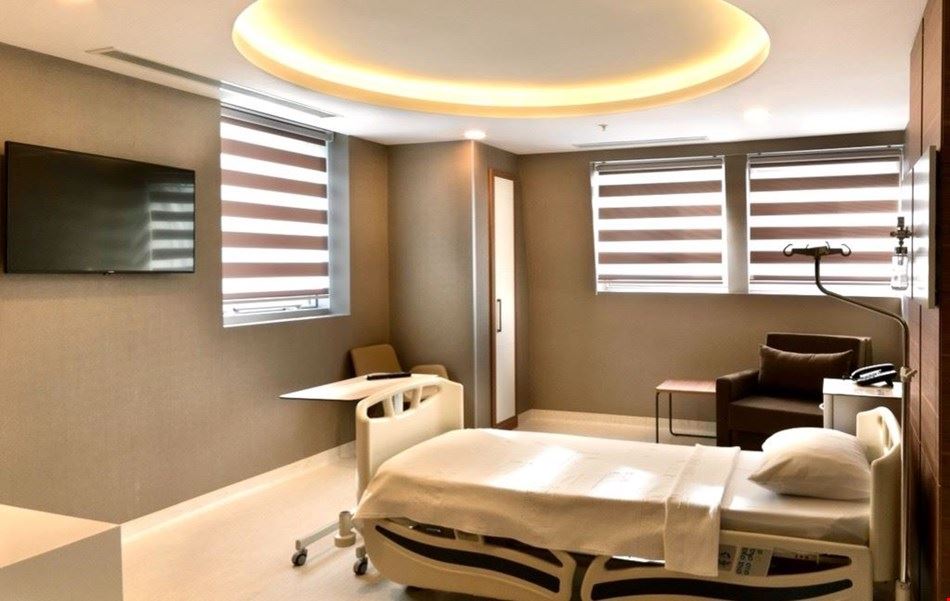
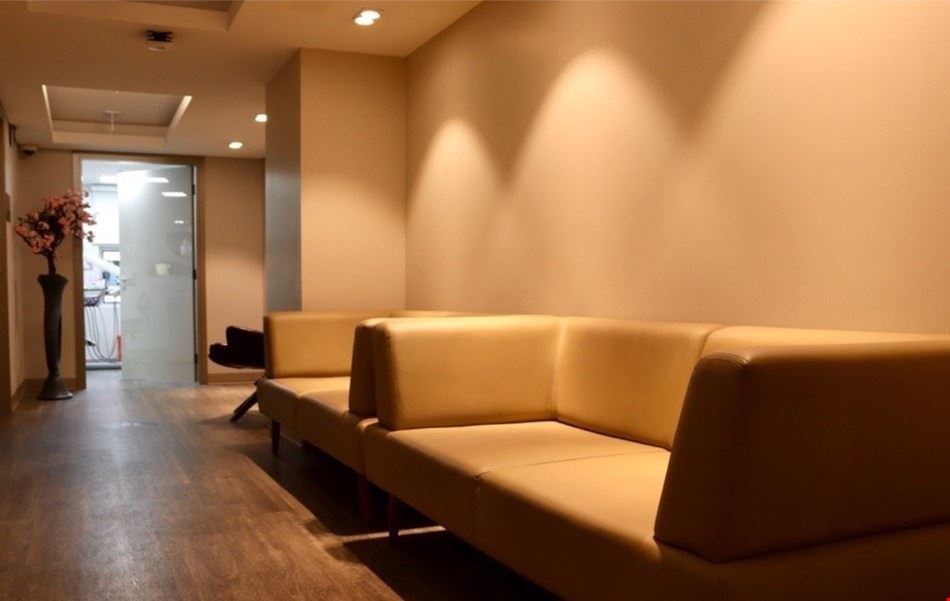
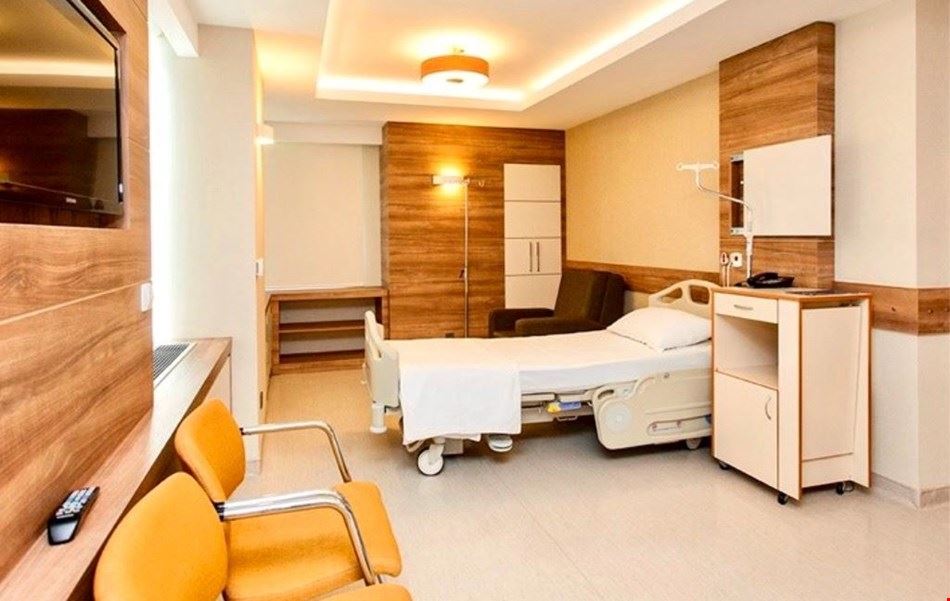
Şişli, Turkey · 435 clinic reviews
Speaks EN · FR +6
Send your details and a coordinator will tell you which clinics are appropriate for your case, and which are not.



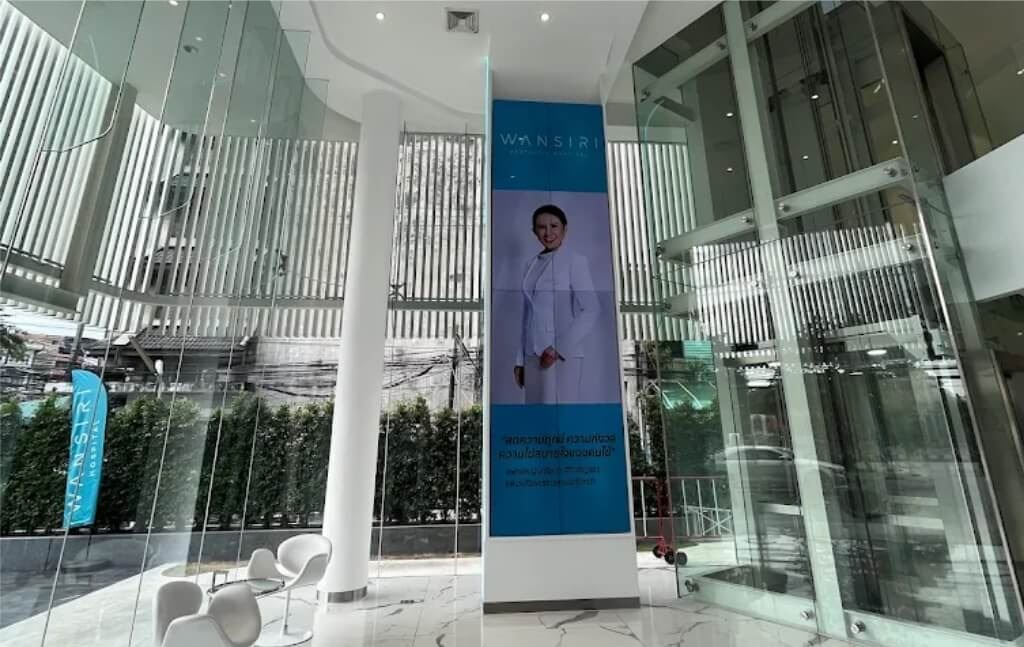

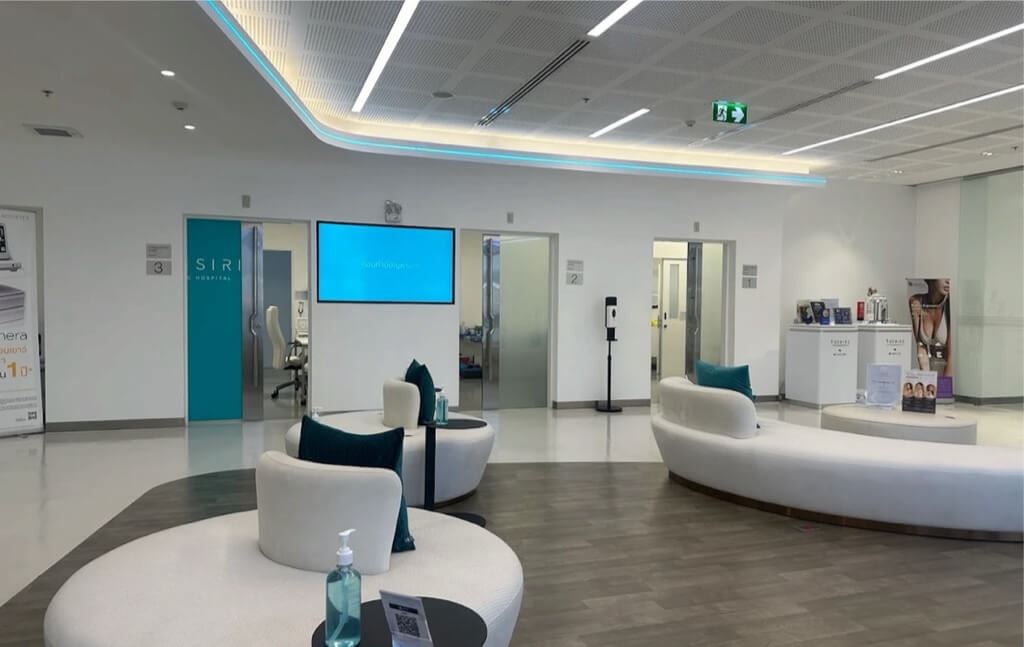
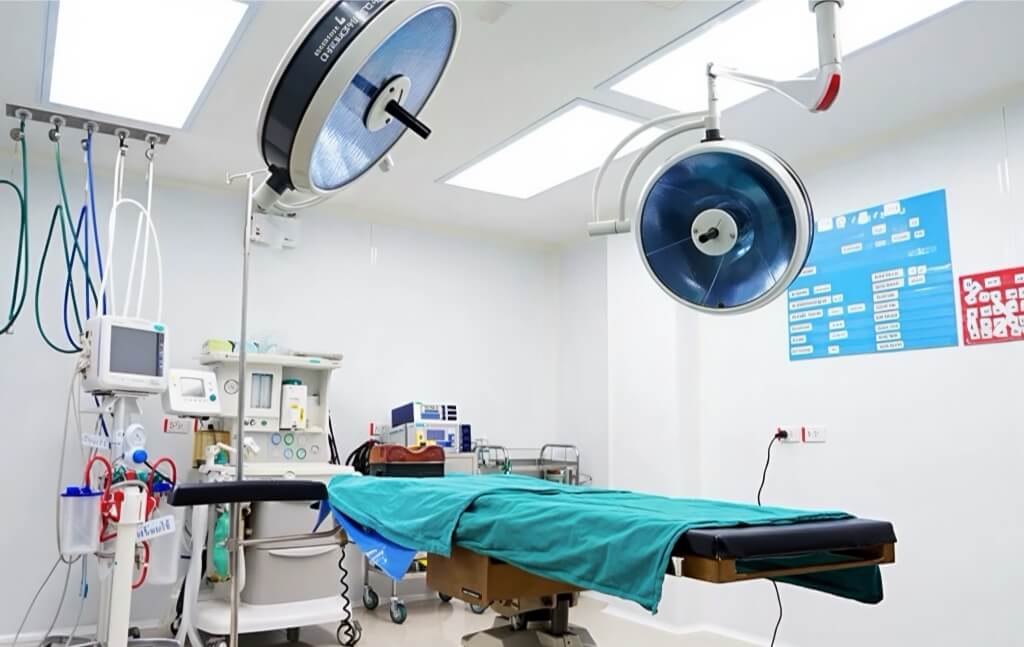
Bangkok, Thailand · 15 clinic reviews
Speaks EN · TH

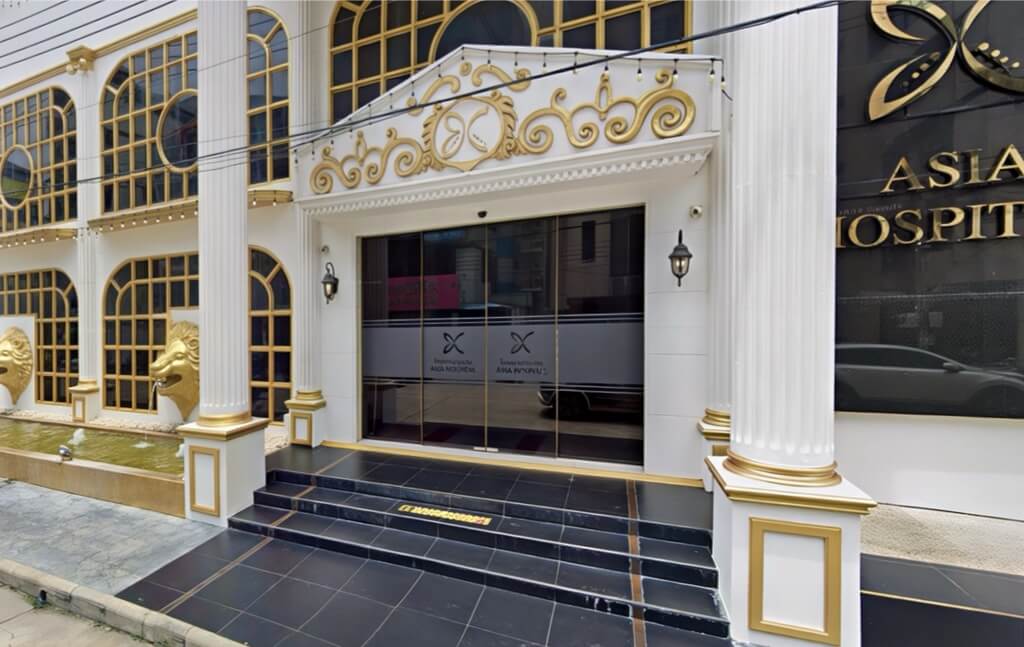
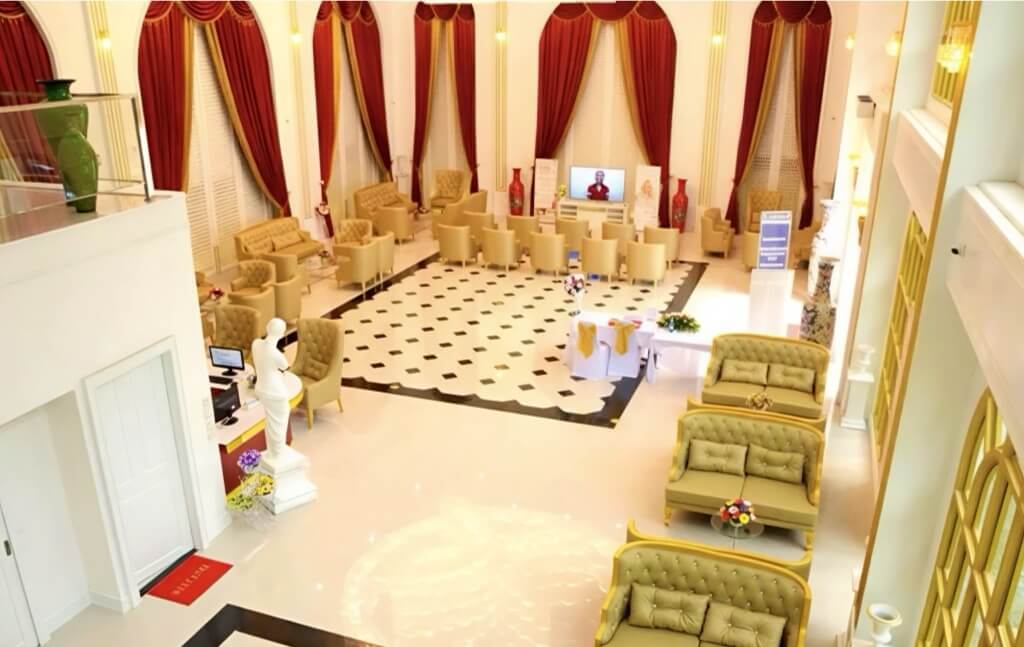
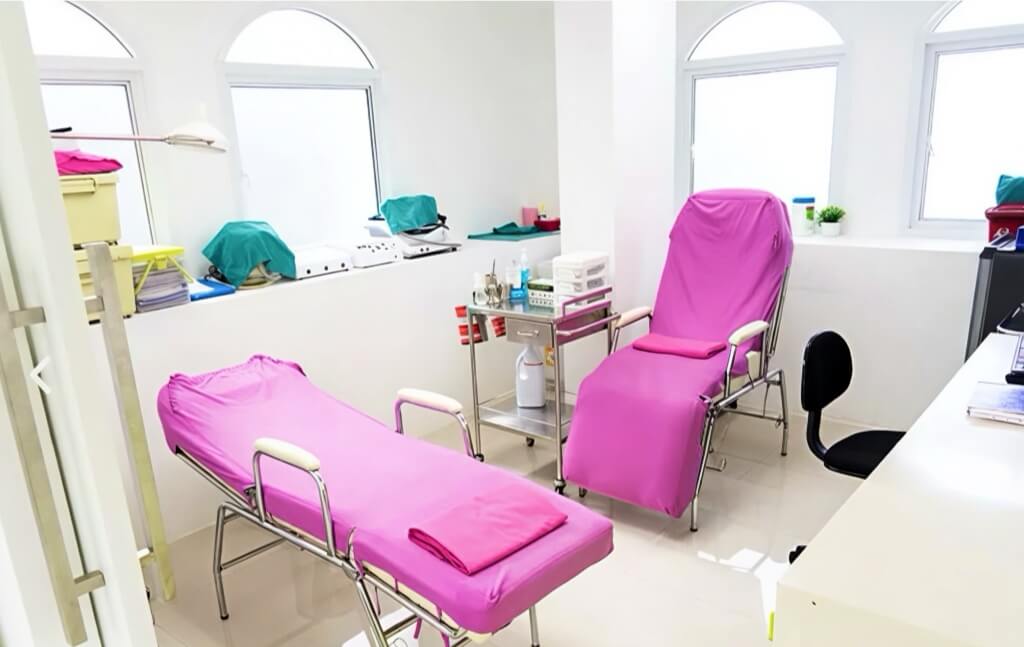
Bangkok, Thailand · 10 clinic reviews
Speaks EN · TH

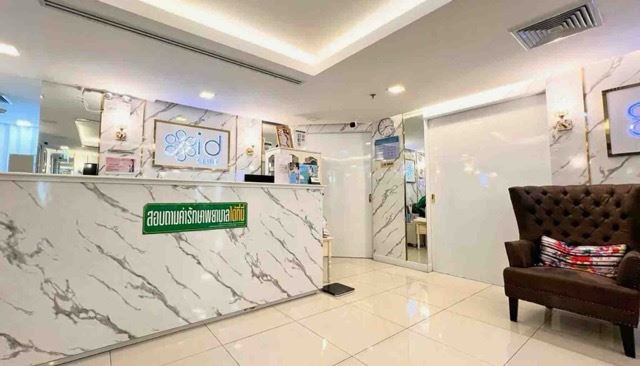
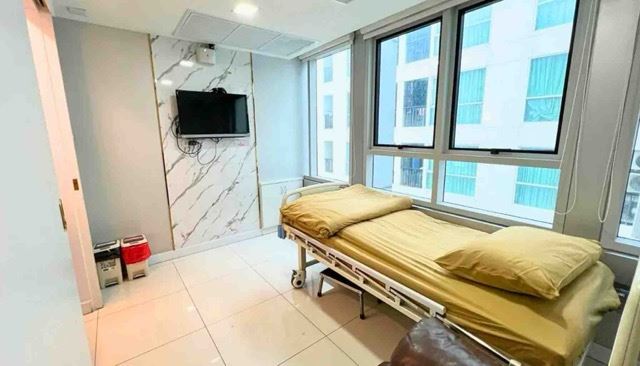

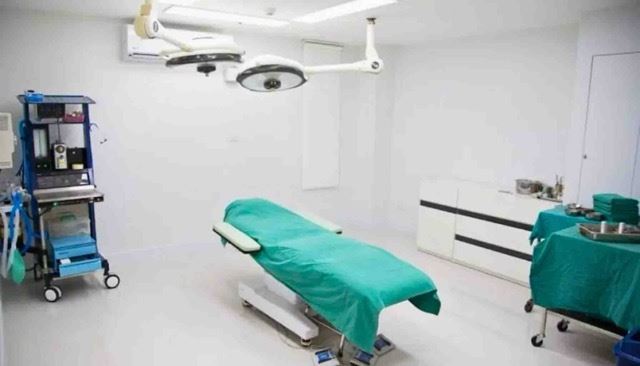

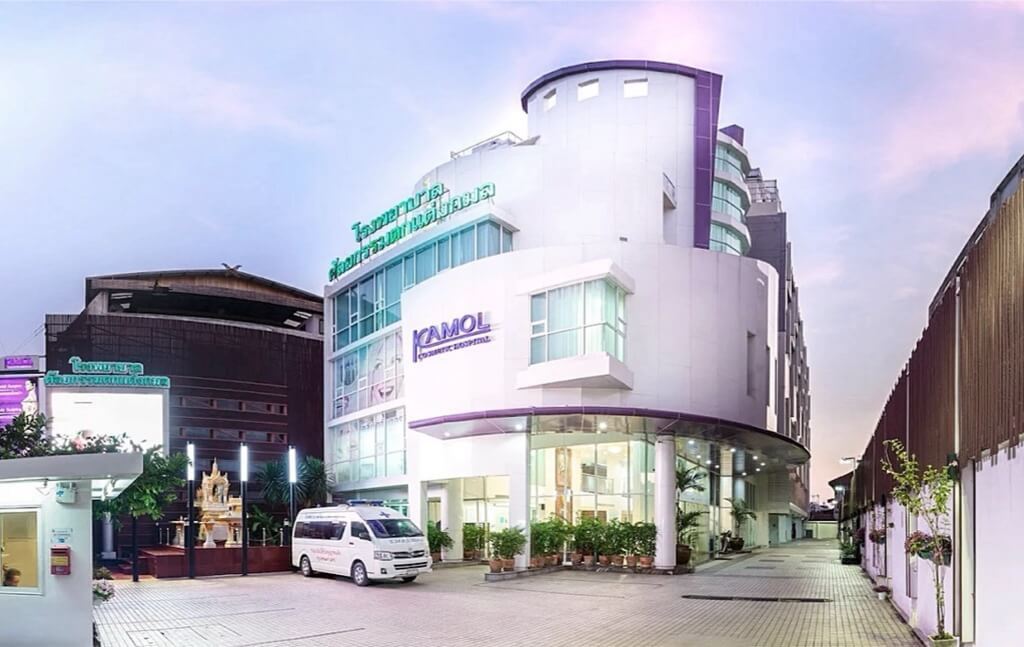
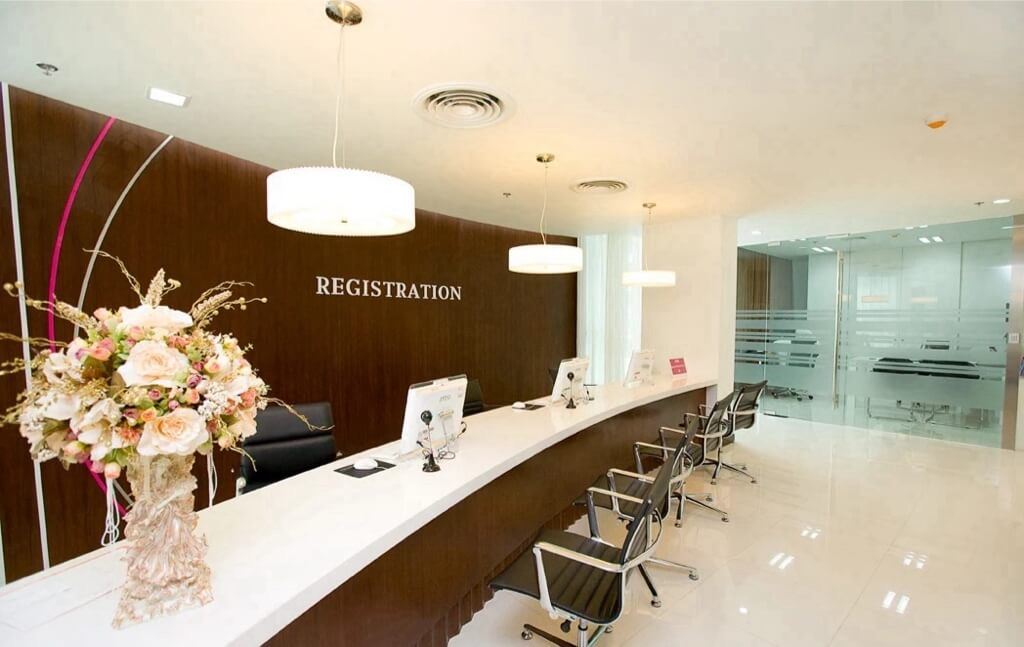
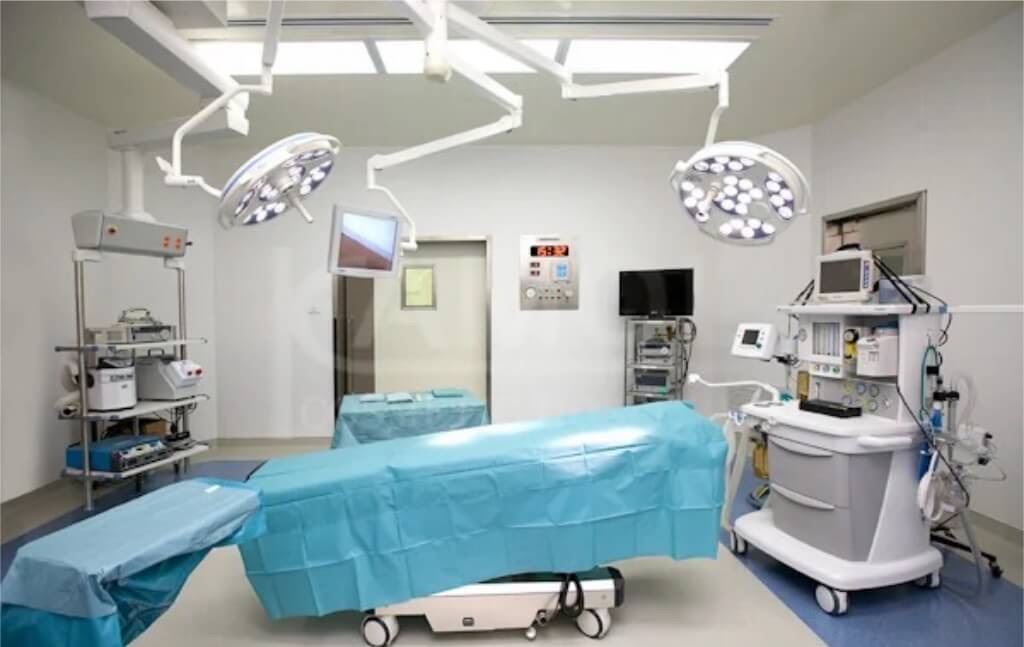
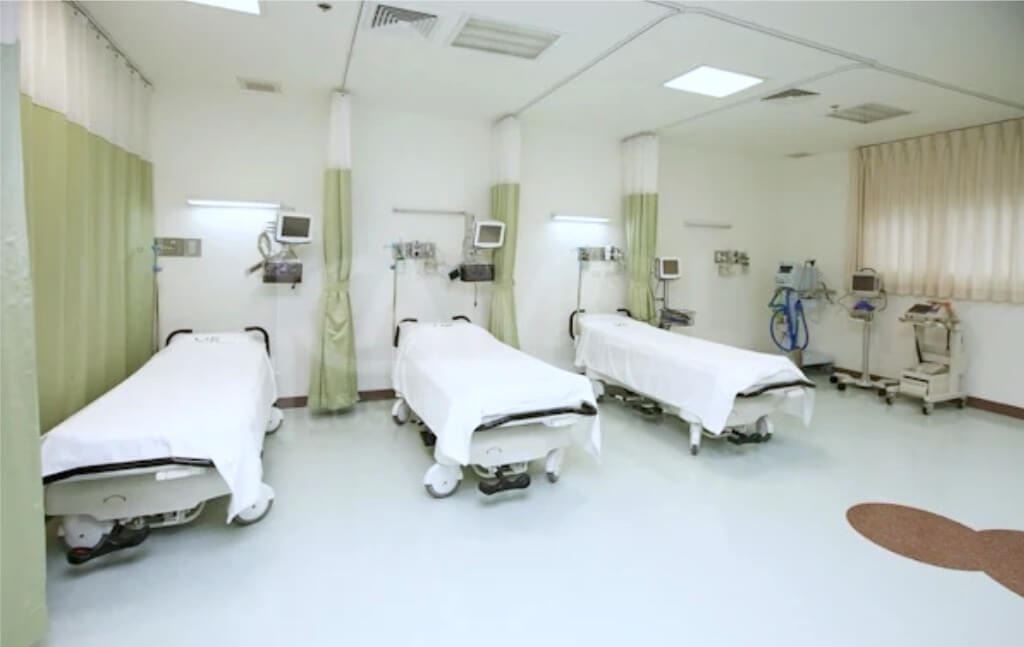
Bangkok, Thailand · 15 clinic reviews
Speaks EN · TH

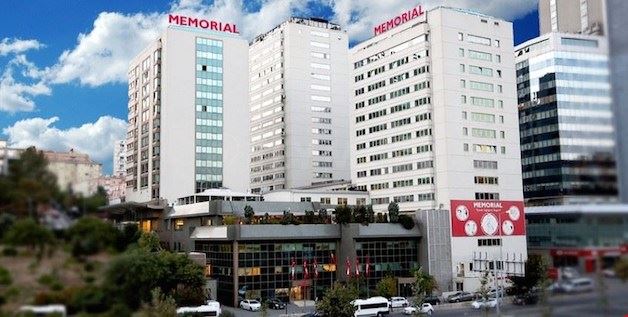
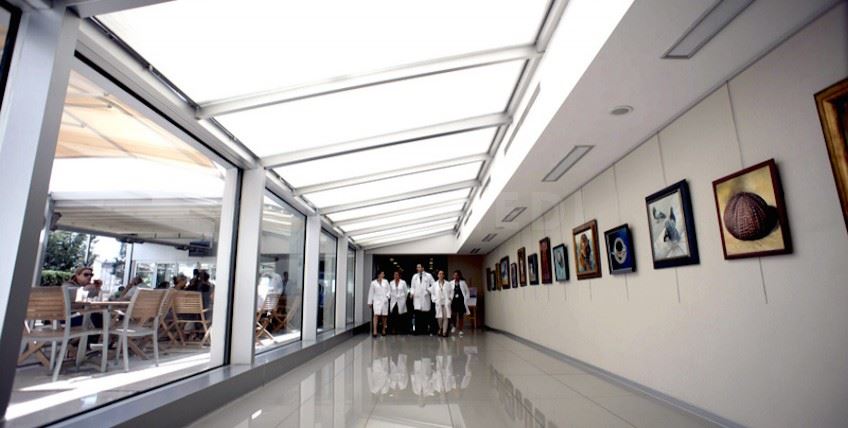



Şişli, Turkey · 48 clinic reviews
Speaks EN · SQ +14

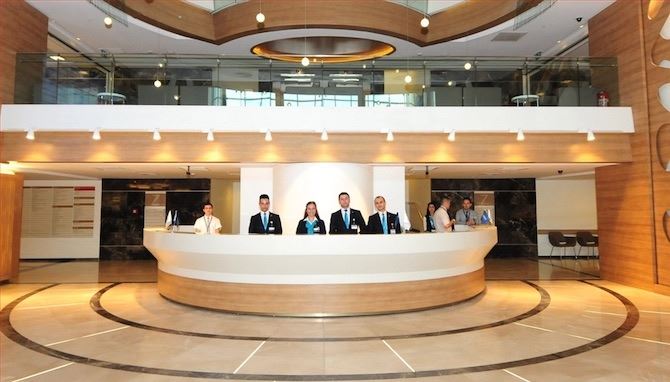
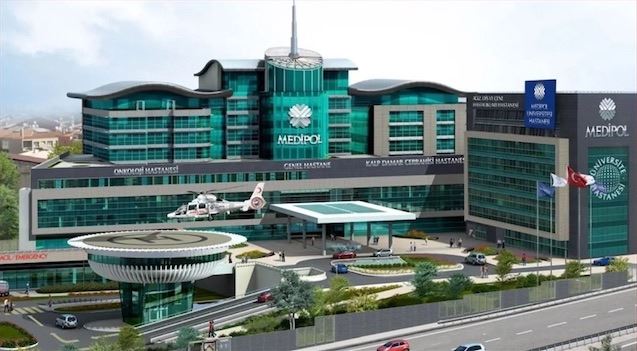
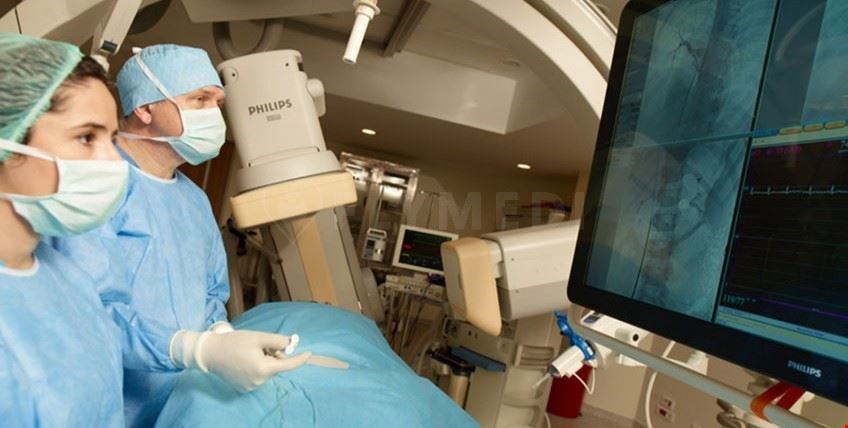
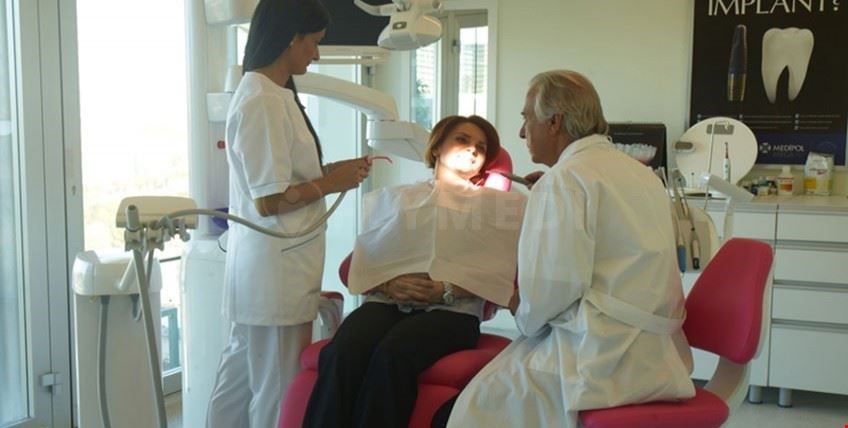
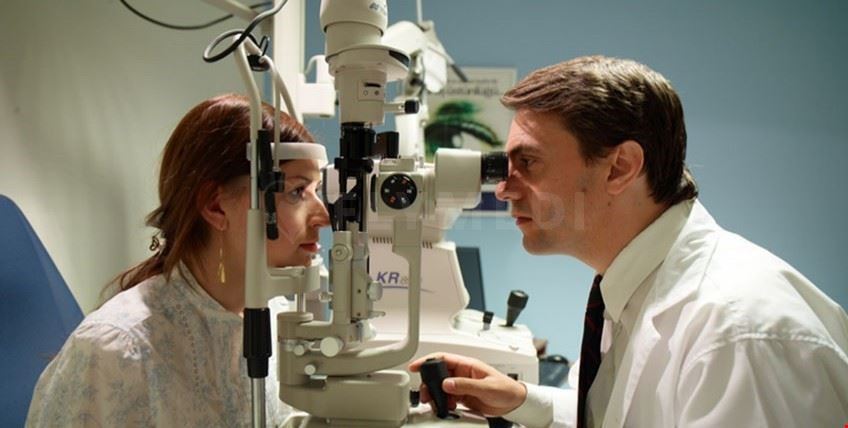
Bağcılar, Turkey · 18 clinic reviews
Speaks AZ · BG +11



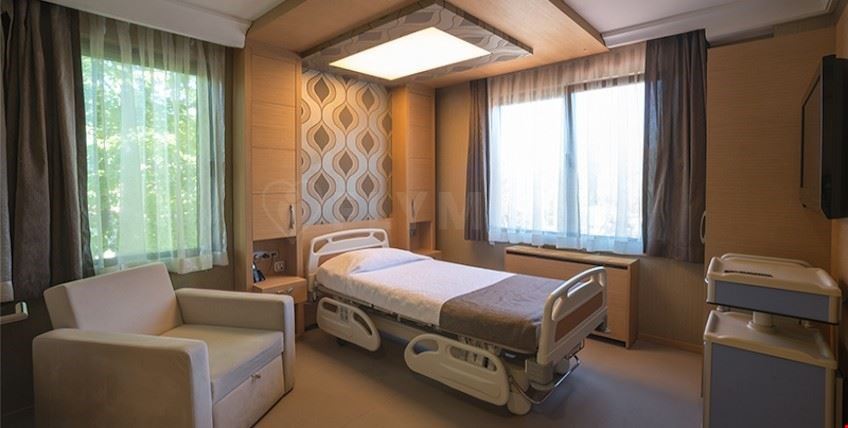

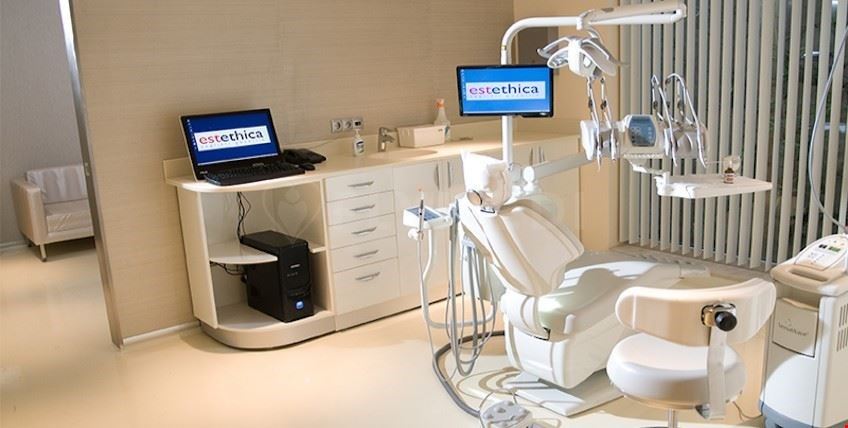
Ataşehir, Turkey · 60 clinic reviews
Speaks AZ · EN +6




Istanbul, Turkey · 15 clinic reviews
Clinics are scored and ordered by Flymedi. How ranking works.
Patients treated through Flymedi, in their own words. Nothing loads or plays until you press play.
Alex
Septoplasty
Spoken in EnglishSource: YouTube
Youssef
Rhinoplasty
Spoken in EnglishSource: YouTube
Damon
Gynecomastia
Spoken in EnglishSource: YouTube
Arturo
Liposuction
Spoken in EnglishSource: YouTube
Alexandra Arhire
Rhinoplasty
Spoken in EnglishSource: YouTube
Bryan Tomo
Gynecomastia
Spoken in EnglishSource: YouTube
Mia Hayes
Rhinoplasty
Spoken in EnglishSource: YouTube
Stephani Lvatts
Facelift
Spoken in EnglishSource: YouTube
David White
Liposuction
Spoken in EnglishSource: YouTube
Grace Beniganant
Breast lift
Spoken in EnglishSource: YouTube
Deciding to have plastic surgery is a significant personal choice, and more patients are making it in another country, usually for price, access to a surgeon who performs a procedure often, and shorter waiting times. Those reasons are real. So are the risks that travelling adds, and the authorities this page draws on, the NHS, the British Association of Plastic, Reconstructive and Aesthetic Surgeons (BAPRAS) and the Royal College of Surgeons of England, are clear that a lower price does not change the surgery.
Surgery abroad suits some people better than others. A suitable candidate is usually:
Price is usually the first reason and rarely the only one. These are the advantages patients most often cite, each with its condition.
What is not an advantage is recovering on holiday. The flying section below explains why.
No surgery is risk-free, anywhere. The NHS, BAPRAS and the Royal College of Surgeons all say so in their guidance on cosmetic surgery abroad, and this page will not tell you otherwise.
The risks of the operation itself are the same wherever it happens: bleeding, infection, a reaction to the anaesthetic, poor scarring, asymmetry, numbness, and the possibility that a revision is needed.
Travelling adds risks that surgery at home does not have: the flight, which raises the chance of a blood clot; weaker continuity of care, because the surgeon who operated is in another country when you notice something at home; follow-up that is harder to attend; and the pressure of having already travelled, which can make it hard to say no on the day. The sections below take each in turn.
What reduces those risks: accreditation you have verified with the accrediting body, a named surgeon whose registration you have checked, a written aftercare and revision commitment, a stay long enough to fly safely, specialist insurance, and a plan for what happens once you are home.
What does not reduce them: a low price, an all-inclusive package, a polished website, or a coordinator's reassurance, including ours. Read the sections, then decide.
Flymedi has destination pages for Turkey, Thailand, Mexico, Colombia and Spain. What follows describes each; it does not rank them, because regulation, registration and surgical training differ between countries. What you can verify from home is a facility's accreditation and a surgeon's registration, using the checks further down this page.
Turkey receives patients mainly from Europe and the Middle East, within a few hours' flight of most of them. The procedures most often booked are rhinoplasty, breast surgery and body contouring, usually in Istanbul; English-speaking coordinators are standard in the larger clinics.
Mexico serves patients from the United States and Canada, with Tijuana and Cancun the usual cities and a short flight or a land border between them. Facial and body procedures are the most common bookings; English is widely used in clinics that treat international patients.
Thailand draws patients from Australia, East Asia and Europe, mostly to Bangkok. Its large private hospitals, some holding JCI accreditation you can check on the JCI directory, treat international patients across facial, breast and gender-affirming surgery. Flight times from Europe are long, which matters for the clot window explained below.
See plastic surgery in Thailand
Colombia, mainly Bogotá, Medellín and Cali, serves patients from North and South America across facial, breast and body procedures. Spanish is the working language and English varies by clinic, so confirm before you book how you will speak with the surgeon, not only the coordinator.
See plastic surgery in Colombia
Spain is within a few hours' flight of most of Europe, and EU citizens can travel there on a national identity card. Spanish is the working language and English varies by clinic, so confirm before you book which language you will share with the surgeon.
Whatever the destination, the questions are the same: who operates, what they are registered as, where, and what happens if something goes wrong after you fly home. Check entry rules for your passport on the destination country's official government site before you book.
Surgery and long-haul flights each raise the risk of a blood clot in a deep vein, and doing them close together combines the two; the NHS describes the result as potentially life-threatening. Clots can begin to form during the operation itself, not only on the flight home.
How long to wait. The NHS and BAPRAS give the same guidance: wait five to seven days before flying after procedures such as breast surgery and liposuction, and seven to ten days after facial procedures or a tummy tuck (NHS guidance on cosmetic surgery abroad, last reviewed 14 December 2022; BAPRAS patient guidance, accessed September 2026). Your surgeon may ask you to stay longer. This is why clinics on Flymedi ask for a stay of roughly seven to fourteen days: the clot window plus your follow-up appointments, not a holiday allowance.
What raises the risk further. The NHS lists age over 60, being overweight, smoking, a previous clot, the combined contraceptive pill or HRT, cancer, heart failure, varicose veins, a clotting disorder, being confined to bed, dehydration and journeys of more than four hours (NHS guidance on deep vein thrombosis, last reviewed 30 April 2026). Combining procedures lengthens the operation and the immobility after it. Tell your surgeon about every item on that list that applies to you; some change whether you should have the operation abroad at all.
What helps, and what it does not do. Water, no alcohol, the compression garments you are given and walking the aisle every hour help circulation. None of them removes the risk; only time does.
If you want to see the country, do it before the operation. Afterwards you should rest, avoid sun, alcohol, swimming and sightseeing, and keep your follow-up appointments. Anyone who offers you surgery as part of a holiday is describing the recovery wrongly.
Symptoms that need emergency care, on the flight or after landing: pain or swelling in one calf or thigh, chest pain, or breathlessness. Tell the cabin crew or go to an emergency department. Do not wait to call a coordinator.
The surgeon who will operate should be the one who assesses you. Not a coordinator, not a patient adviser, not a salesperson. The NHS says this directly, and adds two rules that are easy to keep: do not pay for a hospital you have never seen, and do not pay to see a surgeon you have not met.
An online consultation is useful, and it is not an examination. It is how most clinics on Flymedi start, so it is only honest to name its limits: photographs do not show skin laxity, scar quality, tissue thickness or small asymmetries the way an examination does, and a plan made from photographs can change on the day. Treat it as the first conversation, and the in-person assessment before surgery as the one that counts.
Before you pay, establish who performs the operation, how many of this procedure they do in a year, what they are registered as in their own country, and how you can verify that independently; the accreditation section below explains what to check.
Language. You need to discuss the operation, the risks and your concerns with the surgeon in a language you both speak well. A translator in the room is not the same thing, and consent given only through one is weaker consent.
A second consultation. The NHS recommends two consultations with the operating surgeon before any surgery. If both cannot happen in person, ask the clinic what replaces the second and why.
Consent, and the pressure of having travelled. BAPRAS puts it plainly: there is a real risk of feeling unable to back out once you have travelled a long way and are in a foreign country using an unfamiliar language. So this page will be just as plain. Changing your mind on the day is always allowed and always acceptable, whatever you have paid and however far you have come. A clinic that makes it difficult is telling you something.
Your home health system will treat a life-threatening emergency. It will not usually fix a disappointing result or a minor complication. For UK patients, BAPRAS states that the NHS will always look after you in an emergency such as bleeding or blood poisoning, but that NHS trusts will usually refuse treatment for less serious complications or poor outcomes after cosmetic surgery, in the UK or abroad; short of an emergency, you may be treated privately and billed. This is not a reason not to travel. It is the thing to plan for before you book.
Get a named doctor, not a helpline. Before you pay, know who you contact if something worries you in the first weeks at home, and how quickly they respond. Flymedi's coordinators and a clinic's support line are for logistics, not clinical cover. The Royal College of Surgeons advises having the contact details of a named doctor who can deal with complications rather than a helpline. Ask for that name.
Get the clinic's commitments in writing before you pay: what counts as a complication and what as a revision, what the clinic will treat or redo at its own cost and for how long, and who pays for the return flight and the stay if you have to go back. Returning for a revision costs money and time off work even when the operation itself is covered. Flymedi does not add a guarantee of its own on top of the clinic's; the written terms you hold are the ones that apply.
Travel insurance almost certainly does not cover this. Ordinary travel and holiday policies exclude complications from planned elective surgery; the NHS and the Royal College of Surgeons both say so. Specialist medical travel cover exists; buy it deliberately and read what it excludes.
Repatriation. Know how you would get home in an emergency, whether an air ambulance is covered, and who pays if it is not.
Take your records with you and bring them back: the operation note, implant details and serial numbers, the drugs and anaesthetic you were given, and the surgeon's full name and registration. A doctor at home cannot help you safely without them; a clinic that will not hand them over is a warning in itself.
Gluteal fat grafting, commonly called a Brazilian butt lift or BBL, has had the highest reported death rate of any cosmetic procedure. In 2018 an international task force of plastic surgery societies warned surgeons about it, and in October 2018 the British Association of Aesthetic Plastic Surgeons (BAAPS) asked its members to stop performing it until more was known.
The mechanism is fat embolism: fat injected into the muscle can enter a gluteal vein and travel to the lungs or heart. Technique is what changes the risk. The BAAPS safety review of September 2022 concluded that fat should be placed only in the subcutaneous layer, never in the muscle, and that the surgeon must confirm the cannula's position with ultrasound during the operation; the deaths it reviewed occurred when fat reached the muscle. With those conditions met the review estimated a far lower risk than first reported; without them, the earlier figures stand.
Ask the surgeon which plane they inject into, whether they use ultrasound during the procedure, how many of these operations they have done, and what their complication record is. A surgeon who will not discuss that is answering the question.
No country is safer for this procedure, and this page will not name one. The risk lives in the technique and the surgeon, not the destination. If you are considering it, the BAAPS review is the document to read.
A review describes one result, not a rate. Ten good reviews do not mean nine in ten operations go well, and one bad review does not prove the opposite.
Dates matter. A review written three weeks after surgery says little: the swelling is still there, scars have not matured, and most results, like most problems, show later. Look for reviews updated at twelve months; they are rare, which is what makes them useful.
Unhappy patients write less. Someone who is disappointed often does not write, is still talking to the clinic or prefers not to discuss it, so any set of reviews leans positive, including the ones on Flymedi.
Separate the surgeon from the clinic. Praise for a coordinator, a hotel or a transfer says nothing about the operation; look for what the patient says about the surgeon, any complication and what happened once they were home.
Photos should share the same light, angle and distance, and be taken at twelve months rather than three. Look for a case like yours, not the most striking one. How reviews work explains where the reviews on Flymedi come from.
Check accreditation with the body that issued it. JCI and ISO assess a facility's processes; they do not tell you how your operation will go.
There is no single price for plastic surgery abroad, and a percentage saving is not a useful way to think about it. The price depends on the procedure and its extent, the surgeon's fees, the anaesthetic, whether you stay overnight, the implants or garments used, and the country's costs. Each clinic sets its own price.
Starting prices, with their basis and date, are on each procedure page listed below. Treatment only means the operation and the surgical team; a package adds some of the stay around it, and the quote should say which parts.
Before you compare two quotes, make each itemise the same things: surgeon and anaesthetist fees, hospital charges, nights included, pre-operative tests, garments and medication, follow-up appointments and revision terms. These are the items a quote most often leaves out:
Disclosure: Op. Dr. Arda Akgün, who medically reviewed this page, is listed as lead doctor at Luna Clinic Turkey and Istanbul European Clinic, two clinics shown on it. Flymedi is a marketplace; the order of the clinic list is set by Flymedi and explained under How ranking works.
Photos supplied by the clinics that performed the treatment, with patient consent. Each photo is credited to its clinic.
Reviews left by patients treated through Flymedi for this treatment. Each one is written in the patient's own language.
C.· Tummy tuck✓ Verified
5.0 · 25 June 2026
I travelled to Istanbul for a tummy tuck because I had loose skin that did not improve despite exercise and weight loss. The surgeon at Istanbul Aesthetic Center carefully explained where the scar would be and what I should realistically expect from the procedure. The first few days of recovery were challenging, but the nurses were very attentive and regularly checked how I was feeling. Flymedi organised my appointments and transfers very well, and I am honestly so happy with how much more confident I feel now 😊
R.· Rhinoplasty✓ Verified
5.0 · 19 June 2026
I chose Istanbul Aesthetic Center for rhinoplasty because I wanted to improve my profile without completely changing my face. The surgeon listened carefully and recommended a shape that would still look natural with my other facial features. I had swelling during the first few weeks, which was expected, but the clinic answered all my questions during the recovery. Flymedi made the whole trip easy to organise, and the result looks even better than I imagined.
G.· Gynecomastia✓ Verified
5.0 · 9 June 2026
I’ve struggled with chest insecurity for years, so I finally reached out for gynecomastia surgery at Istanbul European Clinic. From arrival to discharge, everything was handled professionally and without any stress. The surgeon did a fantastic job and the chest contour looks completely flat and natural now. Pain was manageable and the recovery instructions were super clear. Really happy I did this, worth every single penny!!!💪
O.· Breast implants✓ Verified
5.0 · 6 May 2026
I travelled to Istanbul for breast implants because I wanted a fuller shape that still looked natural on my body. The surgeon at Istanbul Aesthetic Center listened carefully and helped me choose a size that matched my proportions. The first few days of recovery were uncomfortable, but the nurses were kind and explained everything clearly. Flymedi organised the appointments and transfers very well, and I’m honestly so pleased with the final result 😊
1795 reviews
Answers from the medical content team, reviewed by the medical reviewer named on this page.
Written by Abdulaziz Ali, Leading Medical Writer & Strategist at Flymedi. Medically reviewed by Op. Dr. Arda Akgün. Content updated 9 September 2026. Next scheduled review 9 September 2027.
This page is general information, not personal medical advice. It does not diagnose you and it does not replace an individual assessment by a doctor who has examined you.
Found something wrong or out of date on this page? Tell us and we will check it. Editorial standards and reviewer list: authors and reviewers.
Tell us about your case and a coordinator matches you with clinics that fit it.


